




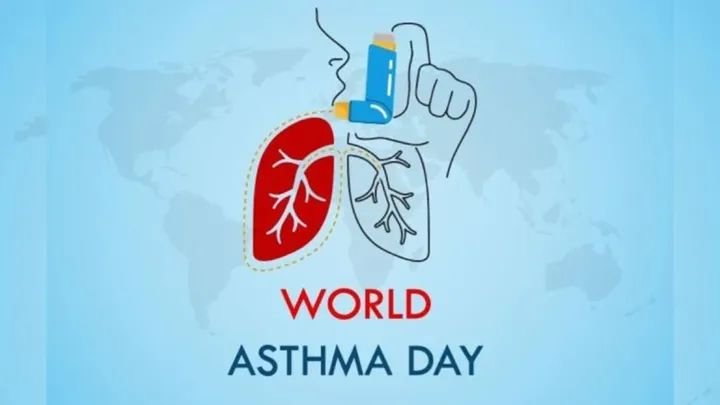
As the world marks World Asthma Day, experts are warning that Nigeria’s asthma burden is worsening due to poor diagnosis, rising inhaler costs and increasing environmental pollution.
An estimated 13 to 15 million adults in Nigeria live with asthma, a chronic respiratory condition that requires lifelong management. Yet access to essential treatment remains a major challenge.
At the centre of modern asthma care are preventive inhalers, particularly those recommended by the Global Initiative for Asthma, which combine inhaled corticosteroids with long-acting bronchodilators. These medications help control airway inflammation and prevent severe attacks.
However, findings from a market survey show that many of these inhalers are either scarce or unaffordable.
Beclomethasone inhalers now cost between N93,600 and N103,700 exceeding Nigeria’s minimum wage. Other preventive inhalers such as Seretide and Fortide are priced between N10,000 and N15,000, while reliever inhalers like Ventolin and Aeroline sell for as high as N12,000.
The rising costs are forcing many patients to rely on cheaper, short-term relief medications instead of long-term preventive care, increasing the risk of severe attacks.
Diagnosis Gap Raises Alarm
Beyond affordability, experts say a major concern is widespread underdiagnosis.
A recent study among schoolchildren in Lagos found that 14.8 per cent had asthma, yet nearly 80 per cent had never been diagnosed despite showing symptoms.
Specialists warn that untreated asthma can lead to serious complications, including long-term lung damage.
Pollution Driving Rising Cases
Environmental factors are also accelerating the crisis.
Data from the World Health Organisation show that air pollution contributes to millions of deaths globally each year. In Nigeria, pollution levels remain far above safe limits, particularly in major cities like Lagos and Port Harcourt.
Experts link rising asthma cases to exposure to vehicle emissions, generator fumes and open waste burning — all common in urban areas.
Environmental advocate Francis Nwapa described pollution as a “direct public health threat”, warning that everyday exposure to polluted air is now a key trigger for asthma attacks.
Healthcare System Struggles
Respiratory specialists say most asthma-related deaths in Nigeria are preventable but persist due to gaps in diagnosis, treatment access and continuity of care.
While progress has been made in training and awareness, many primary healthcare centres lack essential diagnostic tools and medications.
Although asthma treatment is covered under the National Health Insurance Authority, experts say access to preventive inhalers remains limited in practice.
This year’s World Asthma Day theme — “Access to anti-inflammatory inhalers for everyone with asthma – still an urgent need” — highlights the urgency of the situation.
Health professionals are calling for affordable and widely available inhalers, improved diagnosis at primary healthcare level, stronger air quality regulations, increased public awareness and patient education.
They warn that without urgent intervention, Nigeria’s asthma burden will continue to rise, placing more pressure on families and the healthcare system.