




United States President Donald Trump has defended his remarks about rising inflation after new data showed US consumer prices climbed to their highest annual rate in three years.
According to figures released by the Bureau of Labor Statistics, inflation rose to 4.2% in May from 3.8% in April, marking the third consecutive monthly increase. Higher energy costs, particularly fuel prices, were among the biggest drivers of the rise.
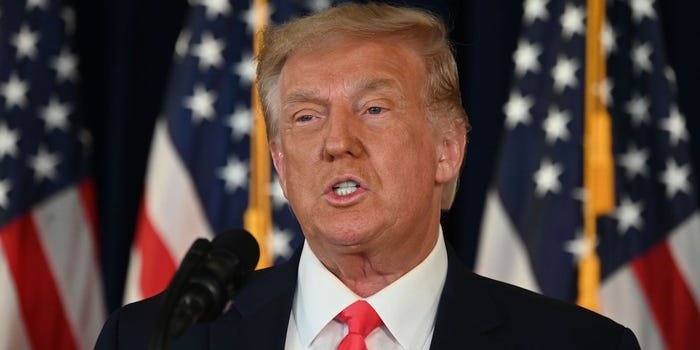
Reacting to the report at the White House, Trump said: “I love it. The numbers were great. You know what I really love? I love the inflation.”
The comment quickly drew attention, prompting the president to clarify his position in an interview with the New York Post. Trump said he was not celebrating higher prices but rather the fact that inflation came in lower than some analysts had anticipated despite ongoing tensions involving the United States, Israel and Iran.
“I love the inflation numbers because of what I’m talking about,” Trump said. “The numbers are going to be phenomenal because what’s showing is that despite the fact that we’re in a war, the numbers are much lower than anticipated.”
He argued that inflationary pressures would ease once tensions in the Middle East subside, predicting that oil prices would return to previous levels after the conflict ends.
The latest data showed energy costs remained a major source of inflation. Prices for gasoline, electricity and other energy-related services increased sharply from a year earlier. Costs also rose across several sectors, including airline travel, medical care, personal services, recreation and communication.
Data from the American Automobile Association showed the national average price of regular gasoline reached $4.15 per gallon, up significantly from $2.98 per gallon recorded in late February.
Economists have linked the increase in fuel prices to supply concerns stemming from instability in the Middle East. Particular attention has focused on the Strait of Hormuz, a critical global oil transit route, where disruptions could affect energy supplies worldwide.
The inflation report presents a fresh challenge for the Federal Reserve, which maintains a long-term inflation target of 2%.
Persistently higher inflation could increase pressure on policymakers to consider raising interest rates, a move that would make borrowing more expensive for consumers and businesses while helping to slow price growth.
The issue is also expected to feature prominently ahead of upcoming US midterm elections, with inflation and the cost of living remaining key concerns for many voters.
Although inflation remains below the 9.1% peak recorded in 2022, analysts remain divided over the outlook. Some believe current price increases may not be sufficient to justify immediate action by the Federal Reserve, while others warn that continued inflationary pressure could force policymakers to intervene.
Attention is now turning to Federal Reserve Governor Kevin Warsh, who faces scrutiny ahead of next week’s interest-rate decision as markets assess how the central bank will respond to the latest inflation surge.