

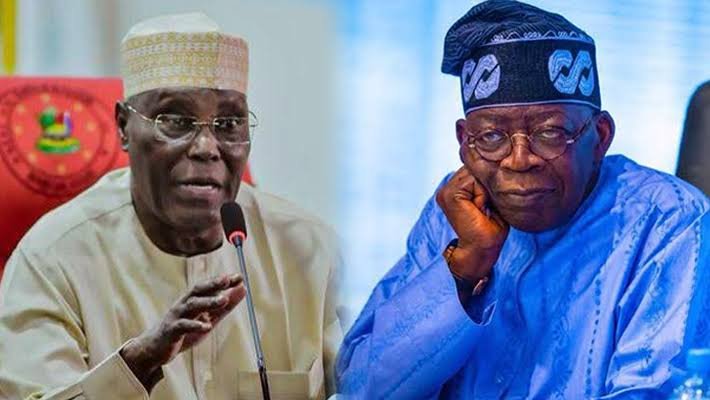
Former Vice President Atiku Abubakar has criticized President Bola Tinubu’s administration for worsening hardship for Nigerian workers.
He accused the government of betraying the promise of “Renewed Hope” and deepening economic suffering. In a statement posted on his X handle on Friday to mark the 2026 Workers’ Day, Atiku emphasized the importance of labor dignity.
He claimed that the 2023 election campaign’s theme, “Renewed Hope,” had resulted in “renewed hardship” for millions of Nigerians.
“A slogan betrayed. ‘Renewed Hope“—those two words carried the dreams of millions of Nigerians who trooped to the polls in 2023,” he wrote.
Atiku claimed that people from all sectors, including teachers, nurses, public servants, craftsmen, and industry workers, had suffered the brunt of growing inflation, deteriorating living circumstances, and declining purchasing power.
He also examined the withdrawal of gasoline subsidies, calling it a necessary but poorly handled policy.
According to him, while he had always supported subsidy withdrawal in principle, the Tinubu administration carried it out without proper planning, warning that the unexpected decision increased Nigerians’ cost of living.
“The removal of the fuel subsidy was, in principle, a policy that many, including myself, had long advocated. But the manner in which it was executed was irresponsible and callous,” he said.
He pointed out that transit fees, food prices, and other living costs skyrocketed immediately following the decision, leaving workers with no cushioning support.
Atiku also questioned the administration of savings from the subsidy withdrawal, claiming that Nigerians had not reaped the benefits of the revenues created.
He said that instead of being used for social services or economic relief, the cash was split among levels of government, with a substantial chunk apparently going toward infrastructural projects like the Lagos-Calabar Coastal Highway.
He called the initiative problematic, citing worries about procurement openness and potential conflicts of interest.
The former vice president maintained that the plight of Nigerian workers indicates deeper governance issues and advocated for more transparent and people-centered economic policy.