




India’s battle over food warning labels has intensified, with the Supreme Court scrutinising a decision by the country’s food-safety regulator to abandon plans for prominent nutritional warnings on packaged foods.
The dispute has put major food and beverage companies, including Coca-Cola and Nestlé, under scrutiny as health activists push for clearer information about high levels of sugar, fat and salt.
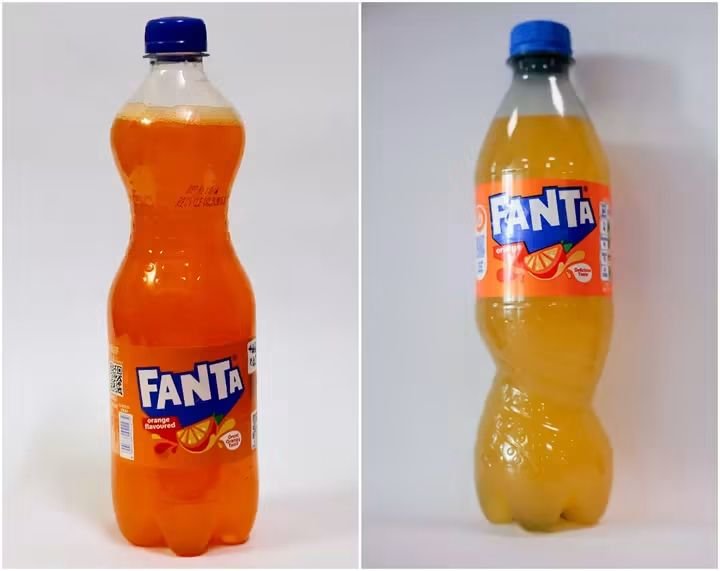
A can of Fanta sold in Britain contains 63 calories, while the Indian version contains three times as much sugar and an artificial colourant that would require a prominent health warning in Europe. In India, the colourant is listed only in small print on the back of the can, according to Reuters.
The Food Safety and Standards Authority of India (FSSAI) said in August that it had dropped its push for colourful front-of-pack warnings. Instead, it proposed that companies display a black-and-white table showing sugar, fat and salt content.
The regulator argued that international warning-label systems did not adequately reflect the stronger flavours used in Indian cuisine.
Health activists have challenged the decision before the Supreme Court, citing concerns about rising obesity and the need to help consumers make healthier choices.
A recent study published in The Lancet estimates that about 450 million Indians could be obese or overweight by 2050.
Experts say interpretive front-of-pack labels, including colour-coded warnings highlighting high sugar or salt levels, can help consumers understand nutritional risks more easily. Around 20 countries have adopted some form of such labelling.
Industry resistance
Reuters reported that the FSSAI’s decision followed a tense meeting with food industry executives on March 19, when companies argued that warning labels would be confusing and ineffective.
Coca-Cola India senior executive Mili Bhattacharya said at the meeting that it was “very simplistic” to believe that a consumer who doesn’t already “read ingredient lists” would significantly improve their diet simply by seeing a symbol or icon on a package.
She also argued that warning labels would not stop consumers from eating sugary and salty foods and said Indian doctors had already done a good job educating patients about foods to avoid.
However, Coca-Cola and its bottling partners have voluntarily introduced traffic-light-style nutritional labels in about two dozen European markets. Coca-Cola HBC, a Switzerland-based affiliate, describes the labels as providing “clear and transparent” information.
Nestlé, which is a member of Indian industry groups that opposed the earlier proposals, has also used interpretive labels in Britain since 2013.
Coca-Cola and Nestlé declined to comment to Reuters for the report.
Activists challenge food companies
The stakes are high in India, where nearly 80% of products in the country’s more than $100 billion packaged food and beverage market could be classified as high in fat, sugar and salt, according to industry estimates.
Deepak Jolly of the Ind Food & Beverage Association said at the March meeting that colour-coded warnings could leave packaging dominated by red labels.
The association, which represents companies including PepsiCo, said it wants greater clarity from regulators. It warned that existing proposals could result in “high sugar” warnings on products such as coconut water that contain naturally occurring sugar.
Indian regulators have considered front-of-pack nutritional warnings and star ratings since 2017. However, manufacturers are currently required mainly to provide ingredients and basic nutritional information on the back of packages.
The Supreme Court had directed regulators in February to consider warning labels and suggested examining Israel’s red-and-green system.
After the March industry meeting, however, the FSSAI told the court in August that it was “difficult” to match international packaging standards.
The position drew criticism from the judges, who said “the world should know that India is very much concerned about the overall health of its citizens.”
Different products for different markets
The debate has also renewed concerns over how multinational companies formulate products for different countries.
Former Mondelez executive Parul Sharma said pricing and affordability were among the biggest reasons recipes differed between markets.
Indian food influencer Revant Himatsingka, known online as Food Pharmer, has criticised differences between products sold in India and their counterparts in Europe and Australia.
For example, Indian standard KitKats contain 4.5% cocoa solids, while the milk chocolate in the Australian version contains at least 22% cocoa, according to the report.
Nestlé’s Maggi instant noodles sold in India are made with palm oil, while many versions sold in Britain use sunflower oil. Maggi packets sold in Britain also carry red front-of-pack warnings for high salt content.
“It is the frustration of feeling cheated,” Himatsingka said.
There are signs, however, that changing consumer preferences are influencing companies. Nestlé announced in 2024 that it would begin selling sugar-free Cerelac baby food in India after activists complained that only sugar-containing versions had been sold there for decades.