


The United Arab Emirates (UAE) has announced its exit from OPEC and the wider OPEC+ coalition, sending shockwaves through global energy markets already rattled by the ongoing Iran war.
The decision marks a major rupture within the oil-producing bloc and delivers a significant setback to its de facto leader, Saudi Arabia. Analysts warn the move could weaken OPEC’s cohesion and undermine its ability to control oil supply and stabilise prices.
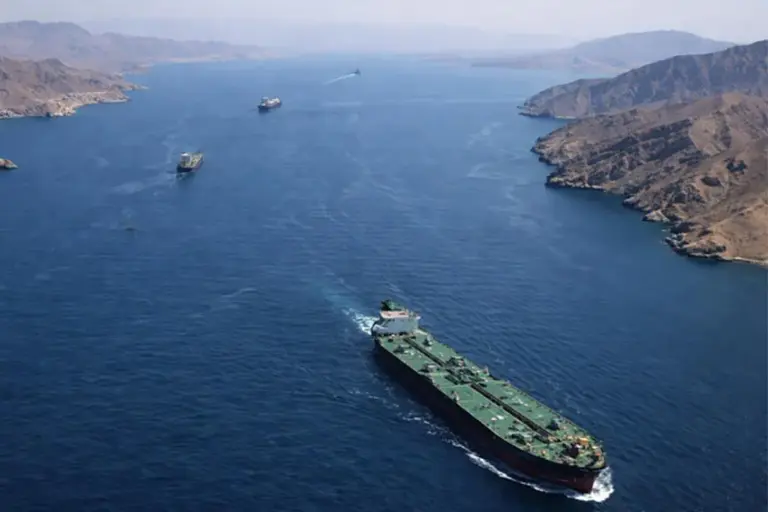
The exit comes at a time of heightened geopolitical tension, with disruptions along the Strait of Hormuz threatening global energy flows. The narrow passage typically carries about a fifth of the world’s crude oil and liquefied natural gas, but shipping has come under pressure due to Iranian threats and attacks.
For years, OPEC has tried to project unity despite internal disagreements over production quotas and regional politics. The UAE’s departure now risks exposing deep fractures within the alliance.
The development is also seen as a political boost for Donald Trump, who has repeatedly criticised OPEC for driving up oil prices. Trump has argued that the United States’ military protection of Gulf producers is being exploited, linking security support to energy pricing.
Tensions escalated further after Emirati officials voiced frustration over what they described as weak regional backing during Iranian attacks. Anwar Gargash publicly criticised both Arab and Gulf responses, saying they fell short politically and militarily.
His remarks underscore growing dissatisfaction within the Gulf, particularly with the Gulf Cooperation Council, which the UAE expected to provide stronger collective support.
With global markets already unsettled, the UAE’s exit raises fresh uncertainty over oil supply coordination and the future of one of the world’s most influential energy alliances.