



Nigeria has recorded no secondary Ebola infection after all 62 contacts linked to its imported case of Bundibugyo virus disease completed the mandatory 21-day monitoring period.
The Nigeria Centre for Disease Control and Prevention (NCDC) announced the development on Friday, November 13, confirming that the last person under monitoring had been discharged.
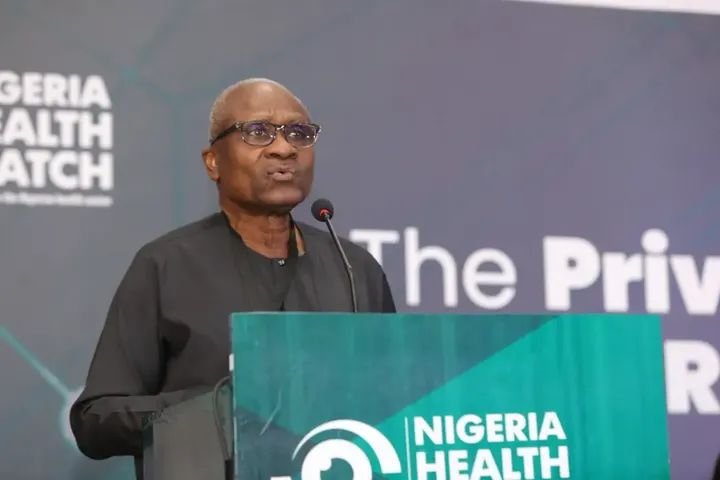
NCDC Director-General, Dr Jide Idris, disclosed this during a briefing on the country’s response to the imported Ebola case confirmed in the Federal Capital Territory (FCT) on October 20, 2026.
According to the agency, none of the 62 identified contacts developed the infection during the monitoring period.
Although 13 contacts reported fever or other non-specific symptoms, laboratory tests confirmed that none had contracted the virus.
The agency also disclosed that seven suspected Ebola cases reported across Adamawa, Rivers, Borno, Lagos and Ekiti states in the preceding three weeks were investigated, with all seven testing negative.
Ebola Patient Recovers After Treatment In Switzerland
Providing an update on the index patient, Idris said the woman initially received medical attention in Nigeria before being evacuated to Switzerland on October 26 for further treatment.
He disclosed that laboratory tests conducted upon her arrival in Switzerland confirmed that she was still positive for the virus.
However, she subsequently recovered, tested negative and was discharged from hospital.
Idris dismissed suggestions that her evacuation reflected a lack of confidence in Nigeria’s healthcare system, insisting that the private hospital where she was initially treated managed her condition appropriately.
“It is not a matter of trust issues. The hospital here managed the case properly and as best as it could do,” he said.
NCDC Maintains Highest Ebola Response Level
Despite the successful completion of contact monitoring, Idris cautioned that the development did not amount to a formal declaration that Nigeria was free of Ebola.
He explained that only the World Health Organisation (WHO) could officially declare the end of an Ebola outbreak based on established protocols.
The NCDC chief said the National Emergency Operations Centre remained activated, with the Incident Management System operating at Level 3, the highest response level for Ebola.
He added that all 36 states and the FCT had been incorporated into the national preparedness framework, although their readiness levels differed.
The agency will also sustain surveillance at international points of entry in collaboration with Port Health Services, while strengthening infection prevention measures and supporting state governments.
NCDC Warns Nigerians Against Assuming Every Fever Is Malaria
As Nigeria approaches the December festive season, Idris urged residents and international visitors to seek medical attention promptly whenever they become unwell.
He warned against assuming that every fever was malaria, particularly among people with recent travel history or possible exposure to infectious diseases.
He advised Nigerians to disclose their travel history and possible exposure to healthcare workers when seeking medical attention.
The NCDC director-general also called on organisers of religious gatherings, political rallies, concerts, festivals and sporting events to provide adequate sanitation, safe drinking water and medical assistance.
He urged the public to avoid unprotected contact with the blood and other bodily fluids of people suspected of having Ebola.
“There is no reason for panic. What is required is continued vigilance, early reporting and cooperation with public health authorities,” he said.
The NCDC maintained that continued surveillance and public cooperation remained essential to preventing further transmission.