


The Nigerian High Commission in South Africa has apologised for the controversy surrounding the alleged coronation of an “Igbo king” in Eastern Cape Province.
Solomon Eziko was reportedly crowned “Igwe” of Kugompo in South London, a city in the Eastern Cape.
The celebration sparked outrage, which escalated into violent protests on Monday, as demonstrators torched vehicles and buildings reportedly owned by foreign nationals.
Angry South Africans marched through parts of the province, demanding immediate government intervention and warning that failure to act could trigger further unrest.
One protester said residents were prepared to take up arms if the matter remained unresolved, while others called for the deportation of Nigerians linked to the event.
In a statement dated March 26 and seen by TheCable, the High Commission clarified that the Igbo East London festival was merely a cultural event, not a coronation.
Explaining the context, the commission said cultural expressions among the Igbo people are often misunderstood outside Nigeria, stressing that such gatherings are largely symbolic rather than political.
It cited practices such as the New Yam Festival (Iri Ji), masquerade displays (Mmanwu), traditional marriage rites (Igba Nkwu), and chieftaincy title ceremonies as key aspects of Igbo heritage.
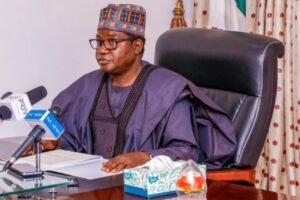
On Tuesday, Olajide Ogunmadeji, Deputy High Commissioner, issued the apology while addressing a group of protesting South Africans.
Ogunmadeji reiterated that the situation had been misinterpreted, noting that the event was ceremonial and did not constitute the installation of a traditional authority in defiance of the existing system.
“They are only celebrating their cultural activity. It is not a political or traditional institution,” he said.
“I offer our apology to the traditional institutions in South Africa. We are sorry for what has happened. The embassy would never encourage the undermining of authority or institutions.”
The High Commission had earlier issued an advisory urging Nigerians in South Africa to remain alert and limit their movement amid the tension.
It also advised Nigerians to suspend all socio-cultural activities and avoid making inflammatory statements that could escalate tensions, particularly on social and mainstream media.