



The Lagos State Government has warned children, pregnant women, the elderly, and outdoor workers to take precautions against possible extreme heat conditions.
These conditions are connected to the strengthening El Niño climate pattern and the shift into the dry season.
The government stated that the conditions could cause unusual rises in temperature, dry spells, dust, and worsening air quality, with possible risks to public health.
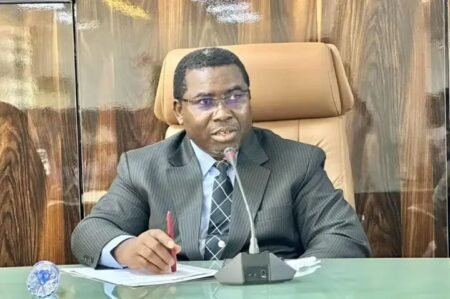
The state Commissioner for the Environment and Water Resources, Tokunbo Wahab, gave the warning in a Friday statement signed by the ministry’s Director of Public Affairs, Kunle Adeshina.
Wahab noted that Lagos, being a densely populated and rapidly urbanizing coastal city, could be more exposed to extreme heat.
He explained that the concentration of buildings, roads, and other heat-absorbing infrastructure, together with limited green spaces and poor ventilation in some neighborhoods, could make the situation worse.
“The concentration of buildings, roads, and other heat-absorbing infrastructure, coupled with limited green spaces and inadequate ventilation in some neighborhoods, could intensify temperatures in built-up areas,” he said.
The commissioner warned that extended exposure to extreme heat could result in dehydration, heat exhaustion, and heatstroke, with potentially serious consequences if not treated promptly.
He named children, older persons, pregnant women, outdoor workers, street traders, construction workers, waste handlers, and people with underlying health conditions as especially vulnerable.
Wahab called on families, employers, schools, and community leaders to give special attention to these groups and to ensure that suitable protective measures were put in place.
He further cautioned that extreme heat could intensify existing air-quality problems, especially during the dry season, when dust and haze could heighten respiratory irritation.
According to him, people with respiratory conditions could see their symptoms worsen, while greater reliance on petrol- and diesel-powered generators during power outages could further aggravate local air pollution.
He advised residents to refrain from open burning of refuse and to adopt environmentally friendly practices.
The commissioner urged residents to drink enough water regularly, wear lightweight and breathable clothing, seek shade and well-ventilated spaces, and avoid strenuous outdoor activities during the hottest parts of the day.
He also called on schools, markets, workplaces, and other public facilities to provide sufficient ventilation, drinking water, and shaded areas where people could take breaks.
Wahab urged residents to watch for symptoms of heat-related illnesses, including excessive sweating, dizziness, headache, weakness, nausea, and muscle cramps.
“Sudden collapse or loss of consciousness should be treated as medical emergencies requiring immediate attention.
“Residents with respiratory conditions are also advised to limit exposure to dusty environments and follow relevant health and air-quality advisories,” the statement added.
The commissioner urged government agencies, environmental experts, health institutions, businesses, and community stakeholders to work together in order to strengthen preparedness.
He also encouraged residents and businesses to safeguard existing trees, plant additional trees, preserve green spaces, and ensure proper waste disposal, thereby reducing urban heat and environmental degradation.
Wahab reassured residents that the ministry would keep raising awareness about emerging environmental risks and would collaborate with relevant institutions, including the Nigerian Meteorological Agency, the state Ministry of Health and the Lagos State Emergency Management Agency, to strengthen preparedness and response.