


South Korea has introduced extraordinary security measures for its national college entrance examination following a growing artificial intelligence (AI) cheating scandal that has raised concerns about the integrity of high-stakes academic tests.
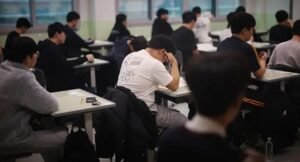
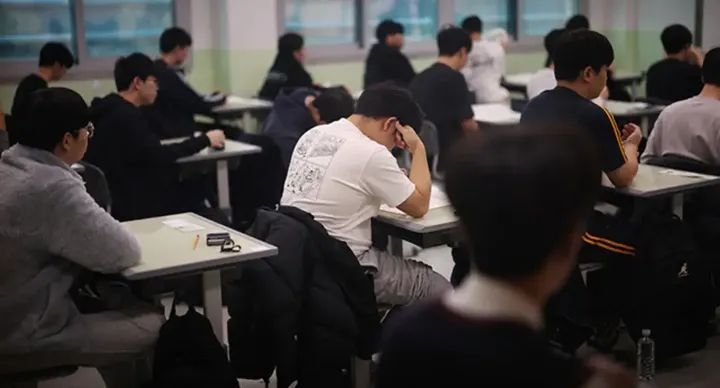
More than 500,000 students sat the annual College Scholastic Ability Test, popularly known as Suneung, on Thursday, November 19, amid heightened fears that candidates could use hidden electronic devices and AI-generated answers to cheat.
The authorities cut Wi-Fi around examination centres, doubled the number of supervisors and introduced nationwide emergency phone alerts to expose students concealing prohibited electronic devices.
The nine-hour examination is considered one of South Korea’s most important academic events, with performance potentially determining access to prestigious universities and future employment opportunities.
Government Introduces Unusual Anti-Cheating Measures
Students were instructed to bring only pencils into examination halls, while examination centres provided erasers to minimise opportunities for concealing digital devices inside stationery.
Authorities also inspected students’ glasses for hidden cameras and asked candidates to avoid wearing clothes with buttons.
Students who wore buttoned clothing had stickers placed over the buttons to prevent concealed cameras from being used during the examination.
The nationwide emergency alerts were also designed to expose candidates who had secretly retained smartphones despite instructions to surrender their devices before the examination.
South Korea’s Vice Education Minister, Choi Eun-ok, said 22 candidates were found with smartphones following the initial alerts and would undergo further investigations to determine whether they possessed miniature cameras or other prohibited electronic equipment.
However, subsequent figures from the Education Ministry put the total number of candidates caught cheating under the strengthened measures at 98.
AI Cheating Scandal Triggers Government Crackdown
The tougher security measures followed revelations that the top scorer in South Korea’s national tax accountant examination had used a miniature camera and smartphone to obtain AI-generated answers.
The candidate reportedly achieved a near-perfect score, raising concerns that other competitive examinations, including law school admissions and professional licensing tests, might also have been compromised.
President Lee Jae Myung has promised rewards of at least $75,000 for individuals who report examination misconduct.
The government has also offered reduced penalties to people who expose their accomplices.
However, the crackdown has attracted criticism from some students who believe authorities should have acted earlier.
Park So-hyun, an examination candidate, said the government’s response had come too late.
“My friends and I all think the exam may have already been compromised in the past, and we’re only taking action now because of Sunday’s confession,” she said.
“Adults have been irresponsible.”
Students Face Tougher Penalties
A high school student had also filed a constitutional petition challenging the government’s decision to proceed with the examination despite the cheating controversy.
However, a South Korean court rejected the request on Wednesday, citing insufficient evidence of irreparable harm.
Under the strengthened regulations, candidates caught cheating could face a 10-year ban from retaking the examination and possible criminal prosecution.
University students who retake the examination and are caught cheating could also face expulsion from their institutions.
The controversy has added to the pressure surrounding an examination already regarded as one of the most demanding academic milestones in South Korea.
Traditionally, parents accompany candidates to examination centres, while teachers and younger students gather to offer encouragement.
Many parents also visit Buddhist temples and churches to pray for their children’s success.