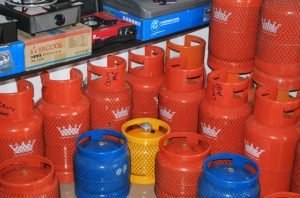





The price of liquefied petroleum gas (LPG), commonly known as cooking gas, has risen to N1,800 per kilogramme in Abuja and N1,650 in parts of Lagos and Ogun states, increasing the cost of cooking for households.
The latest increase has been recorded at several retail outlets across the country, following a sharp rise in depot prices.
In Lagos, Techno Oil outlets in Festac raised their LPG price from N1,450 to N1,650 per kg, representing an increase of N200.
Similarly, NipCo retail stations at First Gate and Trade Fair Complex increased their prices from N1,280 to N1,480 per kg.
In Ogun State, Ecogas LPG refilling plant in Sagamu raised its price from N1,500 to N1,600 per kg.
Oyejo Gas Station in Shiwun also increased its price to N1,650 per kg from N1,450.
In Abuja, cooking gas prices climbed from N1,700 to N1,800 per kg. However, NipCo retail outlets sold the product at N1,650 per kg.
Depot Prices Rise by 31.8%
The retail price increases followed a 31.8 per cent rise in depot prices, which climbed from N1,100 to N1,450 per kg within one month.
The development has raised concerns about the growing cost of household energy, particularly as cooking gas remains an important alternative to other cooking fuels.
Expert Explains Why Cooking Gas Prices Are Rising
A gas expert, Lawal Taofeek, attributed the latest increase to seasonal factors and rising global demand.
According to him, Europe’s peak heating season has contributed to increased gas consumption, putting upward pressure on international prices.
“This is the peak heating season in Europe, when demand for gas rises significantly as countries increase consumption for heating,” he said.
“This seasonal surge in demand puts upward pressure on global gas prices, which in turn affects LPG prices. The trend is expected to continue until late December or early January, as it is a seasonal period of rising gas prices.”
Taofeek, however, expressed optimism that prices would decline as the seasonal demand eases.
He said the current upward trend could persist until late December or early January, when the heating season is expected to begin winding down.