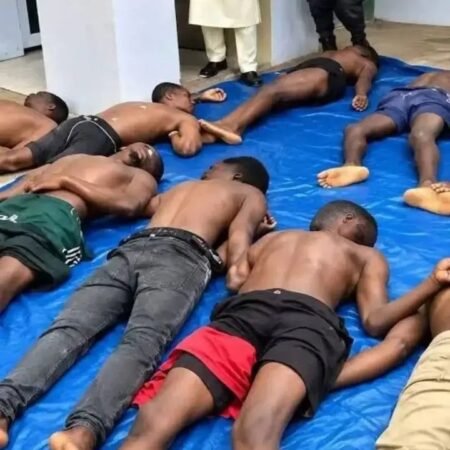



Eighteen suspects linked to the 2021 assassination of former Haitian President Jovenel Moise have been transported from Haiti to the United States to face trial, US officials said on Sunday.
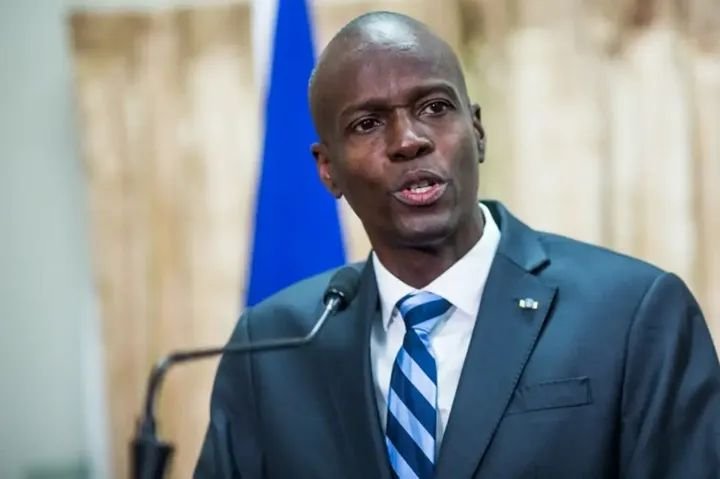
Moise, 53, was shot dead at his private residence in Port-au-Prince on July 7, 2021, in an attack allegedly carried out by a group of Colombian military-trained mercenaries.
The FBI said the latest arrests and transfers reflected ongoing efforts to bring those involved in the killing before the courts.
“Today’s multi-location and international arrests underscore the FBI’s continued commitment to bringing all participants in this plot to justice,” FBI Special Agent Brett Skiles said on X.
Federal prosecutor Jason Reding Quinones also confirmed that 18 suspects had been transported on a military aircraft from Haiti to face charges in the US Southern District of Florida.
“Five years later, we are still bringing defendants before American courts, and we are not finished,” Quinones said, adding that 30 suspects have so far been indicted over the assassination.
Colombian suspects transferred to US
Colombia’s Ministry of Foreign Affairs said it was monitoring the transfer of 17 Colombian nationals from Haiti to the United States.
The ministry said the Colombian government did not participate in the decision or process leading to their transfer, which it said falls under the jurisdiction of the relevant authorities in the countries involved.
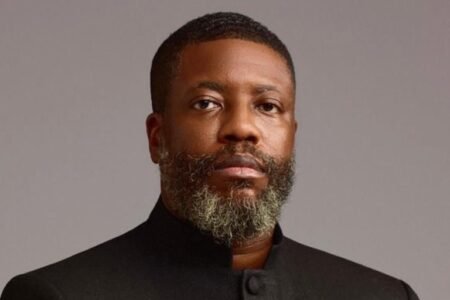
Haitian government and police sources identified one of the suspects as Badio, a former anti-corruption official at Haiti’s Ministry of Justice. The other suspects are Colombian nationals, according to the sources.
Four already convicted in Miami
In May, a US federal court in Miami convicted four men on charges including conspiracy to kill or kidnap Moise, conspiracy to provide material support and violating the US Neutrality Act by participating in an illicit military operation abroad.
The men face possible life imprisonment.
US prosecutors said all four were linked to CTU, a Florida-based private security company, and were drawn into the plot by the prospect of securing lucrative contracts following Moise’s removal.
US courts have jurisdiction over some aspects of the case because prosecutors allege that parts of the plot were planned on American soil.
Haiti remains in crisis
Moise’s assassination plunged Haiti further into political and security turmoil, with the country currently without a president.
Haiti is preparing to hold its first presidential and legislative elections since 2016, alongside a constitutional referendum, on December 13, provided security conditions permit.
Gangs currently control large parts of Port-au-Prince, while kidnappings for ransom, armed robbery and carjackings remain major security concerns.
A United Nations-backed armed force deployed to support Haitian police in fighting gangs is also not expected to be fully staffed by October as originally planned, according to its spokesman.