

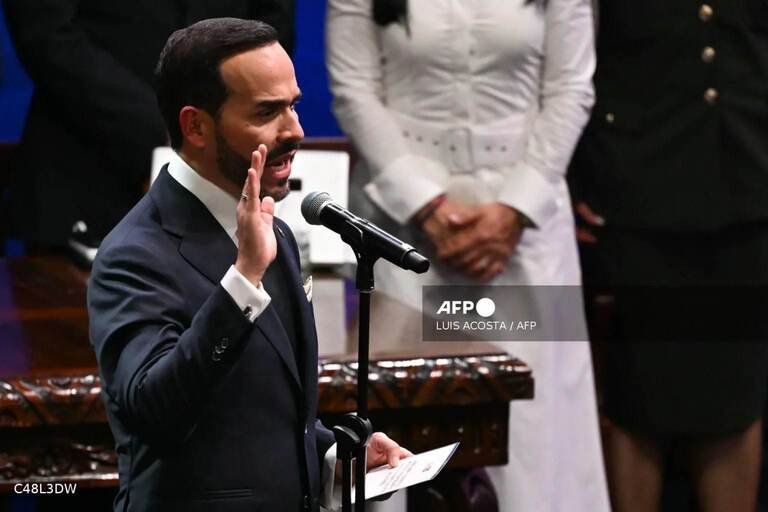
Colombian President Abelardo de la Espriella took office on Friday, promising to combat drug-running guerrillas and usher in a new era of close ties with the United States.
The flamboyant former lawyer pushes the Andean nation to the right, promising to bomb jungle cocaine factories, establish “mega-prisons”, and shrink the state.
After completing their vows, De la Espriella and his vice president, Jose Manuel Restrepo, shouted, hugged, and performed their campaign’s signature military salute.
Following four years of diplomatic spats with the US, President Donald Trump finally has a strong ally in Bogota.
The 48-year-old president, who has both US and Colombian citizenship, has promised to conduct joint military operations and even host US troops on Colombian soil.
In a departure from custom, his inauguration was held in the tropical southwestern city of Cali, Colombia’s salsa capital, rather than at Congress in more formal Bogota.
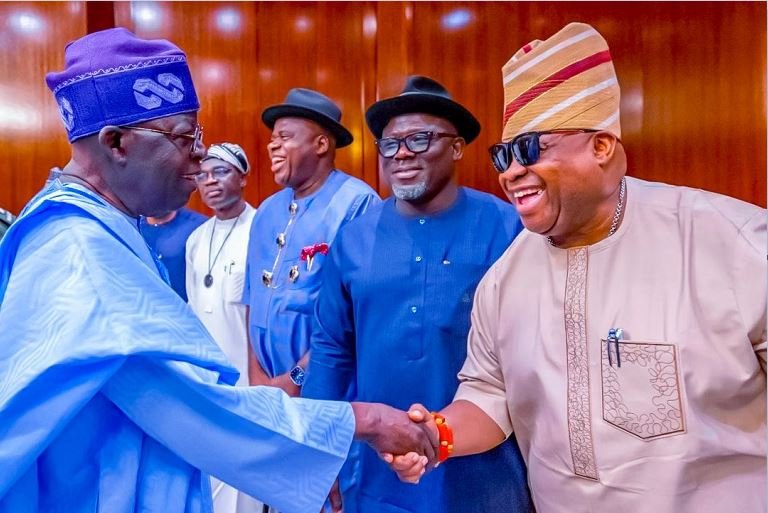
A smiling Gianni Infantino, the beleaguered FIFA president who faces harsh criticism for his now-shelved plan to open the World Cup and other events to private investment, was among the visitors.
Powerful right-wing personalities were also there, including Argentina’s President Javier Milei and Todd Blanche, Trump’s acting attorney general, who led the US group.
Gustavo Petro, De la Espriella’s Marxist predecessor, declined to attend the ceremony.
He had previously left the presidential palace in the capital, wishing “farewell, freedom, and life”.
Cali has been the target of multiple guerrilla pipe bomb assaults in recent years, so the city increased security for the event, including 11,000 troops and anti-drone technology.
De la Espriella’s tight victory by less than one percentage point brought an end to Colombia’s first Marxist government, which had been in place for four years.
“We are beginning a new era!” he declared in his victory speech in June, after beating leftist rival Ivan Cepeda.
He now faces a split Congress, in which he lacks a majority.
After years of stalled peace talks, supporters expect De la Espriella to take a firm stance against crime and rebel armed organisations.
“This government has a lot to prove. A lot was said during the campaign,” 46-year-old Marisol Peira told AFP in Cali.
Petro attempted and failed to negotiate peace with the country’s various armed organisations.
According to experts, the gangs, which were previously ideological but are now focused on profiting from cocaine trafficking and other illegal activities, exploited government truces as cover to expand.
Petro isn’t leaving quietly. On Friday, he called for large-scale protests in key cities, citing electoral fraud but presenting no evidence.
De la Espriella’s triumph adds to the clout of Latin American right-wingers, who have won elections in Chile and Costa Rica on the basis of security promises.
De la Espriella, often known as “The Tiger”, intends to form a military alliance with the United States and Israel to help him fight guerrillas.
His so-called “Plan Colombia II” is titled after a multimillion-dollar pact with Washington in the 2000s to combat drug cartels and leftist organisations.
“We have to support him so there won’t be as much crime,” said German Angulo, a 63-year-old contractor. “We need a complete change.”
Although the initial “Plan Colombia” was successful in reducing key military organisations, it also resulted in serious claims of human rights violations.