


Nigeria’s opposition parties have intensified pressure on the Independent National Electoral Commission (INEC), demanding an extension of the deadline for party primaries ahead of the 2027 general elections.
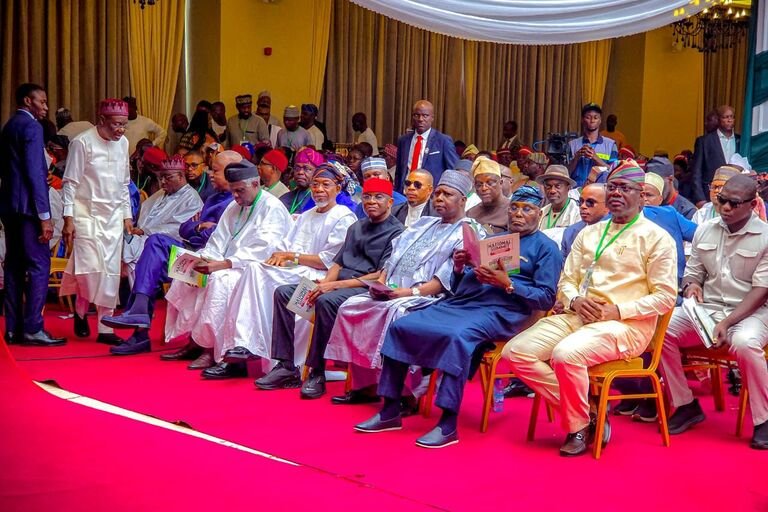
At a national summit held in Ibadan on Saturday, key opposition blocs including the African Democratic Congress (ADC), Peoples Democratic Party (PDP), and New Nigeria Peoples Party (NNPP) jointly called for the deadline to be shifted to the end of July 2026.
The current timetable fixes May 30, 2026, as the cut-off for primaries.
‘Deadlines designed to disadvantage opposition’
In a communiqué issued after the meeting, party leaders argued that INEC’s guidelines create unfair conditions.
“We consider the recent guidelines released by INEC as obstacles, deliberately engineered to impose conditions and deadlines on the opposition parties,” the statement said.
They maintained that extending the deadline would ensure a level playing field and protect Nigeria’s democratic process ahead of the 2027 elections.
Allegations against APC and INEC leadership
The opposition also accused the ruling All Progressives Congress (APC) of attempting to weaken multiparty democracy and steer the country towards a one-party system.
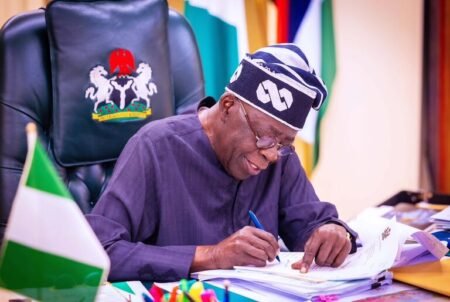
They vowed to resist any such move and insisted they would field candidates to challenge President Bola Tinubu in 2027.
In a more pointed criticism, the parties alleged bias within INEC leadership, calling for the removal of its chairman, Joash Ojo Amupitan, from overseeing the elections.
According to them, his continued role could undermine public trust and risk electoral credibility.
Calls for electoral reform and detainee release
Beyond the primaries timeline, the parties urged the National Assembly to review provisions of the Electoral Act 2026, warning that some clauses threaten transparency and contradict constitutional principles.
They also called for the release of politicians allegedly detained or harassed over what they described as bailable offences.
The communiqué stressed that safeguarding multiparty democracy remains critical to Nigeria’s political stability.