




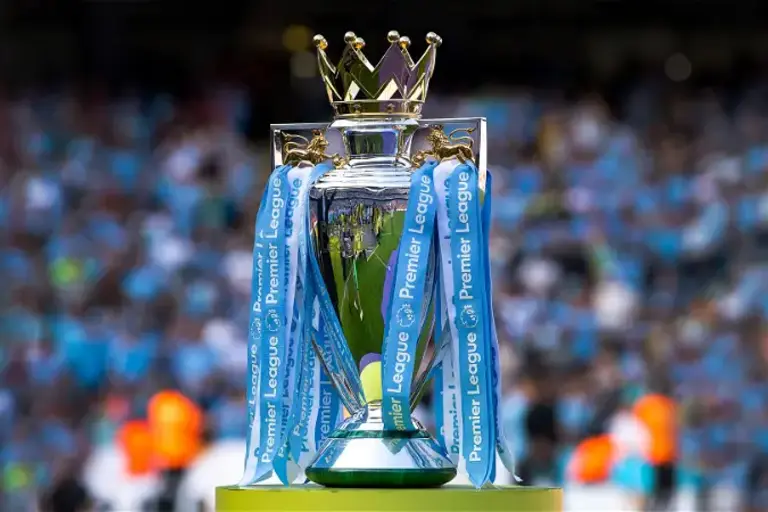
There is something different about a Premier League title race when it starts to tighten. A normal match week can already move quickly, but once the title is on the line, everything feels heavier.
A dropped point stops looking like a small setback. A late winner stops feeling like just another dramatic finish. Every moment begins to affect not only the table, but also the way people read the next round of fixtures, the pressure on certain players, and the mood around the clubs involved. That is exactly why football betting markets tend to swing more aggressively during a Premier League title race than they do in almost any other domestic situation. It is not only about quality. The league has plenty of quality all season. What changes in a title race is the meaning of each result.
Every Result Starts Affecting More Than One Match
In a mid-season match between two teams with little at stake, the betting market usually reacts in a fairly contained way. A win matters, a loss matters, but the consequences are limited. In a title race, one result immediately spills into the interpretation of several others, and that is where every football bet starts carrying a little more weight than usual.
If the team at the top drops points on Saturday, the market does not just react to that match. It begins adjusting expectations for the contender playing on Sunday. Suddenly the pressure is different. The emotional temperature is different. The value around the next fixture may shift before a ball is even kicked, because the context has changed. That is one of the biggest reasons title races create volatility. Markets are no longer pricing a single game in isolation. They are pricing momentum, psychology, urgency, and the wider shape of the race.
Pressure Changes the Way Matches Are Read
The closer the season gets to the finish, the less neutral football feels. A top side playing in November might still be judged mostly on form, injuries, and matchup strength. That same side playing in April with the title in reach is judged through a different lens. People begin asking different questions. Can they handle the pressure? Will they protect a lead instead of chasing a second goal? Will the opponent play with more freedom because they have less to lose?
This matters in betting because pressure does not always show up neatly in statistics. A team can look dominant on paper and still feel fragile in a title race setting. Another team may be slightly weaker overall but look dangerous because confidence is rising at exactly the right moment. That is where the market starts moving harder. It is reacting not just to numbers, but to how those numbers are now being emotionally interpreted.
The Premier League Has More Triggers Than Most Leagues
Part of the reason this effect is so strong in England is that the Premier League produces constant betting triggers. The schedule is intense. The media coverage is relentless. Team news is dissected instantly. Every injury, suspension, tactical tweak, and post-match quote gets absorbed into the conversation at speed. In a title race, that means the market is being fed new signals all the time. A slightly tired squad suddenly becomes a major concern. A tough away fixture begins to look more dangerous than it did two weeks earlier. A routine win can shorten belief around one team, while an unconvincing performance can create doubt even if the points were secured. The title race magnifies all of it.
Momentum Becomes a Market of Its Own
The interesting thing about football betting is that momentum is never fully objective, but it still shapes behaviour constantly. On major platforms like Betway, that shift can often be felt in how quickly confidence builds around one title contender and softens around another.
When one contender puts together four or five convincing wins in a row, the market often starts trusting them more aggressively. When another keeps winning but looks slightly less convincing each week, doubt starts creeping in. The table may show only a small gap, but the betting mood around those teams can look very different. That is why title races produce some of the biggest swings. People are not just betting on who is better. They are betting on who feels stronger, calmer, fresher, and more likely to survive the next wave of pressure.