




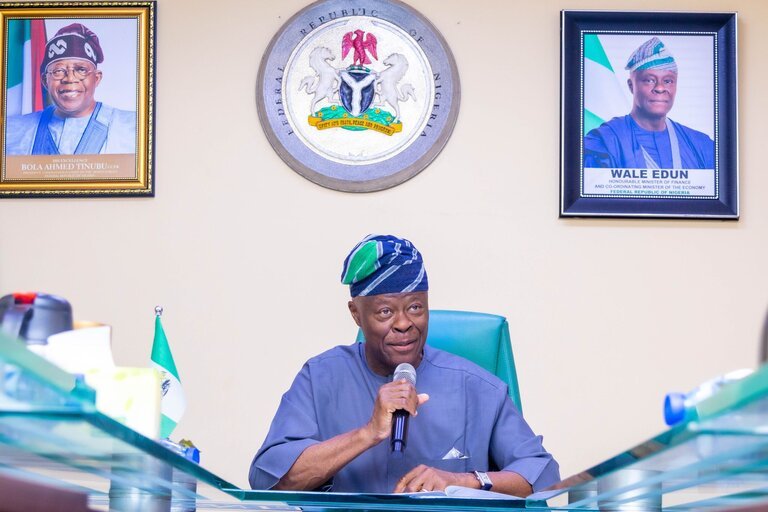
President Bola Tinubu’s decision to sack Wale Edun appears less sudden than it looks, insiders say the move had been brewing for months.
The president had publicly celebrated several prominent Nigerians’ birthdays this week, but Edun who turned 70 on April 20 was notably absent. Within 24 hours, he was out of the cabinet.
According to sources familiar with developments in Aso Rock, Tinubu had privately asked Edun to step down as far back as October 2025. Although the finance minister managed to retain his position at the time, his influence reportedly waned significantly.
Key responsibilities — including revenue generation, allocation and domestic debt management — were reassigned to junior ministers, effectively sidelining him from major fiscal decisions.
Loss of Confidence
Edun’s standing within the administration had been weakening over multiple issues. One major concern was his strict prioritisation of debt servicing, salaries and pensions, leaving limited funds for capital projects.
This triggered widespread frustration across ministries, departments and agencies, many of which complained of poor budget releases. Contractors also protested unpaid debts, even staging symbolic demonstrations in Abuja.
Tensions escalated further after Edun allegedly approved massive consultancy payments tied to politically exposed interests — a move that reportedly deepened distrust within the presidency.
The Chagoury Factor
The breaking point, insiders say, centred on funding delays for flagship infrastructure projects linked to Gilbert Chagoury’s family.
Projects such as the Lagos-Calabar coastal highway and Sokoto-Badagry super highway both handled by Hitech Construction suffered funding bottlenecks.
While Edun maintained that government revenues were insufficient after meeting debt obligations and wage bills, influential figures close to the president were said to be dissatisfied with the pace of funding.
This disagreement reportedly put him at odds with some of Tinubu’s most trusted allies.
Public Contradictions
Edun’s troubles were compounded when he appeared to contradict the president on national revenue performance.
After Tinubu claimed the government met its 2025 revenue targets early, Edun later told lawmakers that actual projections suggested a massive shortfall, a statement said to have angered the president.
Sources also allege that Edun openly challenged Tinubu during a cabinet meeting — a move seen as risky given his already fragile position.
A Long Goodbye
Even health-related controversies did little to stabilise his standing. Reports of illness and absence from international meetings were followed by public appearances abroad, raising eyebrows within government circles.
Despite their long-standing relationship dating back to Tinubu’s tenure as Lagos governor, Edun’s exit now marks a definitive end to his role in the current administration.
Multiple names had reportedly been considered as replacements before his eventual removal, underscoring that his departure was only a matter of time.