



The United States’ military campaign against Iran has cost an estimated $25 billion so far, marking the first official figure disclosed by the Pentagon.
Jules Hurst, a senior defence official serving as comptroller, told the House Armed Services Committee that the bulk of the spending went on munitions, according to Reuters. However, he did not clarify whether the estimate includes long-term costs such as rebuilding damaged bases across the Middle East.
The revelation prompted a sharp response from Adam Smith, the top Democrat on the committee, who said lawmakers had been pressing for clarity on the war’s cost for months.
The $25 billion figure is roughly equivalent to the entire annual budget of NASA, underlining the scale of the financial burden.
Questions remain over how the Pentagon reached the estimate. A source previously told Reuters that the first six days of fighting alone cost at least $11.3 billion under the administration of Donald Trump.
Defending the expenditure, Defence Secretary Pete Hegseth argued that the cost was justified by the strategic objective of preventing Iran from acquiring nuclear weapons.
“What would you pay to ensure Iran does not get a nuclear bomb?” he asked lawmakers, pushing back against criticism.
Hegseth also rejected claims that the conflict had become a prolonged and unwinnable engagement, criticising Democratic opponents as “reckless” and “defeatist”.
Rising toll and fragile ceasefire
The conflict began on February 28, when the United States launched strikes on Iranian targets. Despite a fragile ceasefire now in place, tensions remain high.
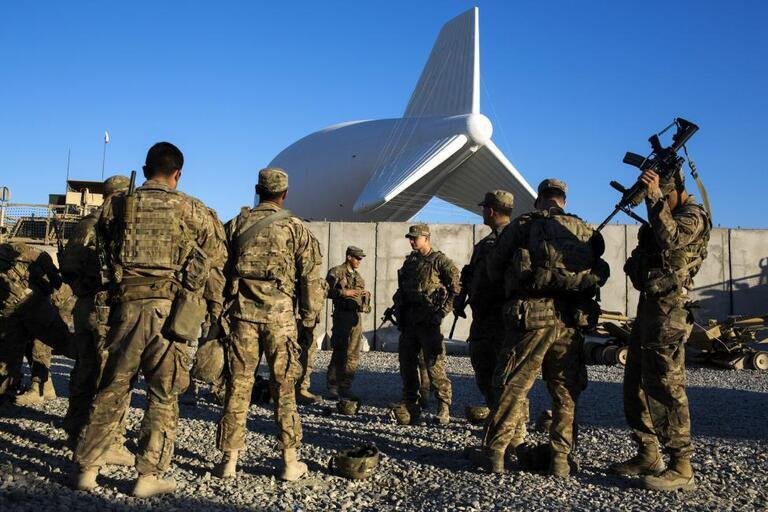
The Pentagon has deployed tens of thousands of additional troops to the region, including three aircraft carriers. At least 13 US service members have been killed, with hundreds more wounded.
Economic shockwaves
Beyond the battlefield, the war is having significant economic consequences. Disruptions to oil and gas supplies have driven up global energy prices, contributing to rising costs for fuel and agricultural inputs.
US gasoline prices have climbed to their highest level in nearly four years, according to the American Automobile Association, adding pressure on households already grappling with inflation.
Global markets have also reacted sharply. Oil prices surged, with Brent crude briefly jumping above $126 per barrel, as fears grow that the conflict could drag on longer than expected.
Political fallout
Public support for the war is weakening. A Reuters/Ipsos poll shows just 34% of Americans approve of the conflict, a steady decline in recent weeks.
The falling approval ratings have raised concerns among Republican insiders about the electoral impact ahead of November’s crucial congressional elections.
Meanwhile, uncertainty persists over diplomatic efforts. Iran has proposed reopening the Strait of Hormuz, a key global shipping route, but Washington remains sceptical about Tehran’s intentions.