




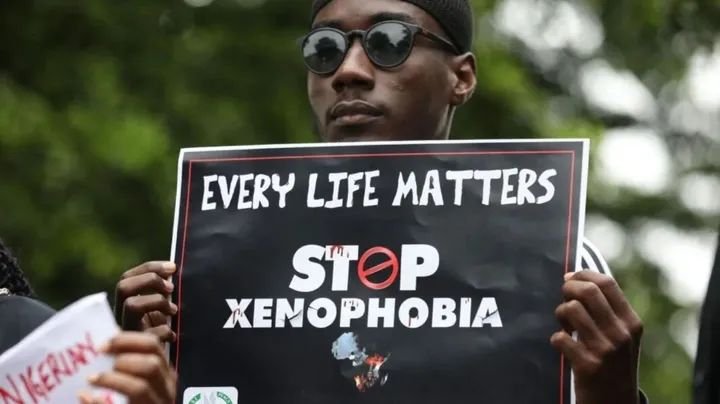
The South African government has declared Tuesday, June 30, a normal working day despite planned nationwide anti-immigration protests and calls by civic groups for undocumented migrants to leave the country.
In a statement posted on its official X account, the government said public services, schools and businesses would continue operating as usual, urging residents to rely only on verified government information.
The announcement comes as anti-immigration groups, including the March and March Movement and Operation Dudula, mobilise supporters for demonstrations over illegal immigration, unemployment, crime and pressure on public services. The groups have declared June 30 as a deadline for undocumented migrants to leave South Africa, although the government has repeatedly stated that no such deadline exists.
Authorities warned that anyone attempting to intimidate residents, disrupt businesses or incite violence would face legal consequences.

Justice and Constitutional Development Minister Mmamaloko Kubayi said economic and social activities would continue without interruption, while the South African Police Service (SAPS) confirmed that officers had been deployed to identified hotspots to maintain public order.
Earlier this month, President Cyril Ramaphosa distanced his administration from the June 30 campaign, stressing that immigration enforcement is solely the responsibility of the state.

“We must not allow South Africans to be duped and to be misled by those who want to foster instability,” Ramaphosa said.
South Africa continues to grapple with recurring tensions over immigration, fuelled by unemployment, which remains above 30 per cent, and perceptions among some citizens that undocumented migrants contribute to crime and competition for jobs and public services.
Operation Dudula and other anti-immigration groups have organised several marches in recent weeks, including protests in Johannesburg, demanding tighter border controls and stricter action against illegal immigration.
Meanwhile, civil society organisations, including the Ahmed Kathrada Foundation, have called for calm, warning that inflammatory rhetoric could trigger xenophobic violence. Several African diplomatic missions have also advised their citizens to remain vigilant ahead of the demonstrations.
Authorities and independent fact-checkers have also dismissed as false viral social media posts claiming the government endorsed the June 30 deadline. Officials said the fabricated notices, some carrying government insignia and apparently generated using artificial intelligence, were designed to spread panic and misinformation.
Police said they were monitoring social media for incitement and working with private security firms to protect key infrastructure and public spaces.
South Africa has experienced repeated outbreaks of xenophobic violence over the past two decades, with foreign-owned businesses often targeted during periods of unrest. Authorities said security agencies would maintain a visible presence in affected areas to prevent a repeat of previous violence.
The government reiterated that immigration enforcement would continue through lawful processes and urged residents to go about their normal activities while avoiding areas where protests are expected.