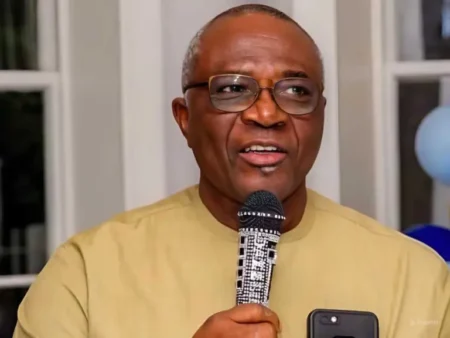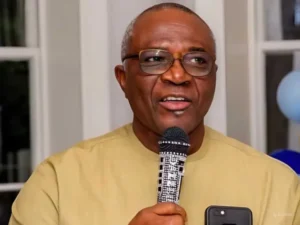



The Emir of Kano, Muhammadu Sanusi II, has questioned the Federal Government’s continued reliance on borrowing despite the removal of the petrol subsidy.
Speaking in an interview with News Central TV on Friday, the former governor of the Central Bank of Nigeria stated that while the removal of fuel subsidies and exchange rate liberalization were necessary, the timing and lack of fiscal discipline threaten to erase the potential benefits.
According to the monarch, Nigeria’s policy of assisting foreign refineries while its own refining capacity sat idle was a systemic problem that needed to be corrected.
“I have always said the subsidy regime was unsustainable. We cannot continue supporting foreign refineries. We’re an oil-producing country. Keeping refineries open abroad while we’re not doing our own,” Sanusi said.
He did, however, express confidence about the present movement toward domestic production, noting that the country had transitioned from a major importer of petroleum products to an exporter.
“Today, we have a situation where we have our own domestic refinery. We’re not importing petroleum products. We’re even exporting to Europe, and this is very good for the economy,” he added.
While approving the policy moves, the former apex bank chief highlighted reservations regarding the timing and the chronology of the reforms.
He said, “Artificial exchange rates, especially when you’re printing money, cannot work. There was going to be a devaluation.
“For me, removing subsidies or liberalizing exchange rates are good interventions. Were they done at the right time? Those are certain questions. Were there other things that should be done that have not been done? These are other issues.”
He said that liberalizing the exchange rate amid a “loose monetary environment” aided the currency’s rapid decline.
“It’s not enough to say, ‘Oh, they removed the subsidy. You had to. When you get to a point where 100% of your revenue goes into debt service, you cannot continue. Where is the money going to come from?
“However, if you decide to remove the subsidy and liberalize exchange rates in an environment of very loose monetary conditions before you have tightened the money supply, the Naira drops to a bottomless pit. That was a timing issue.”
Sanusi also condemned the federal government’s continued borrowing despite eliminating subsidy payments.
“We’ve removed the subsidy. We’re now spending it. What we should not see is fiscal consolidation. You cannot remove waste and continue borrowing. I’ve said this before. You need to see the benefits.
“If you’re not paying the subsidy and you’ve got the money, why are we still borrowing and borrowing? What are we borrowing for?” Sanusi questioned.
Chronicle NG reported in April that the federal government increased its 2026 borrowing plan upward by ₦11.31 trillion, bringing the total projected borrowing for the year to ₦29.20 trillion.
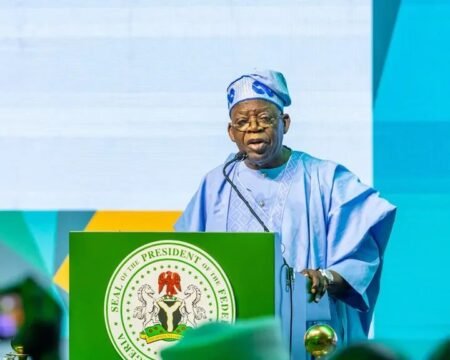
President Bola Tinubu also sought the Senate’s approval on Thursday for a $516 million loan to fund the Sokoto-Badagry Superhighway.