


The Senate declined to launch a new investigation into the controversial N1.3 billion budgetary allocation to the purported Presidential Foreign Intervention Promotion Council on Wednesday, stating that it would wait for the outcome of President Bola Tinubu’s Independent Corrupt Practices and Other Related Offences Commission probe.
The decision followed a point of order brought by Senator Kawu Sumaila of Kano South, who requested the upper house to look into how the agency, which the presidency has classified as non-existent, received a N1.3 billion allocation in the 2026 appropriation act.
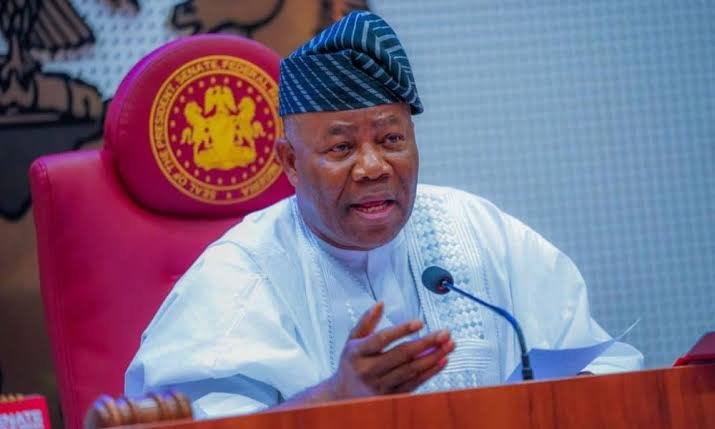
As Sumaila began presenting his request, Deputy Senate President Barau Jibrin, who presided over plenary, interrupted him, stating that the topic should have been brought before the Senate as a substantive motion.
Sumaila presented his position, claiming that the debate surrounding the PFIPC had created severe worries about the nation’s budget process.
He pointed out that, despite the executive’s apparent rejection of the agency, it was granted N1,302,978,000 under budget number 0111062001 in the 2026 Appropriation Act.
“I rise today under Order 9 and Rule 9(c) of the Senate Standing Orders, 2026, to draw the attention of this Hallowed Chamber to a matter of grave institutional concern.
“The issues raised directly affect the integrity of the Senate, the credibility of the National Assembly and the effective exercise of our constitutional oversight and appropriation responsibilities.
“Notwithstanding the executive’s public disapproval of this agency, the entirety was incorporated in the 2026 Appropriation Act under Code 0111062001 with a budgetary allocation of N1,302,978,000, thereby raising a serious question regarding the integrity of the budget preparation and appropriation process,” he stated.
According to him, the allocation included over N800 million for human expenditures, over N200 million for overheads, and more than N300 million for capital expenditure.
Sumaila contended that the inclusion of a supposedly non-existent agency in the national budget eroded public trust in the appropriation process and showed flaws in parliamentary oversight.
He recommended the Senate appoint committees on ethics, code of conduct, public petitions, and appropriations to look into how the allocation was proposed, scrutinised, justified, and authorised.
The member also requested an investigation into whether any cash had been released, committed, or spent under the budget line, as well as whether any bank accounts had been formed or used in conjunction with the allocation.
However, Senate leadership opposed the proposal, citing an ongoing anti-corruption inquiry.
Responding, Barau stated that the presidency had already asked the ICPC to investigate the situation and that the commission had begun work.
He stated that the Senate should await the results of the probe before deciding on any additional legislative action.
“As I said earlier, the presidency has taken up this matter by directing that the ICPC should investigate fully how this matter came to be.
“And I think ICPC has started. I believe that what we need to do at this stage is to have the report of the ICPC, and then we can act on that report and deal with it as we feel appropriate,” Barau said.
The controversy began after President Bola Tinubu directed the ICPC on Tuesday to conduct a thorough investigation into the activities of the alleged Presidential Foreign Intervention Promotion Council, which the presidency claimed was never established by the federal government and has no legal basis.
In a statement published by Bayo Onanuga, Special Adviser to the President on Information and Strategy, the Presidency asked the anti-graft agency to present its findings within thirty days.
According to the presidency, the probe will focus on alleged fake appointment letters and official government documents used by Adeniyi Adeyemi Mathew, who claimed to be the council’s director-general and a presidential appointee.
The investigation will also look into allegations that he used the false claim to seek official recognition and diplomatic support, including visa facilitation; opened multiple bank accounts in the names of purported government agencies with allegedly forged documents; and the circumstances that allowed the fictitious body to appear legitimate.