



Nigeria’s opposition parties have scheduled November 23, 2026, to sign a proposed unity agreement in Abuja, but disagreements over presidential ambitions and political interests continue to threaten their efforts to form a united front against the ruling All Progressives Congress (APC).
The agreement is expected to be signed at the second summit of opposition political parties at the NAF Conference Centre, Abuja, under the Coalition for Democracy.
The coalition comprises the African Democratic Congress (ADC), Allied Peoples Movement (APM), Nigeria Democratic Congress (NDC), Peoples Democratic Party (PDP), Peoples Redemption Party (PRP) and Social Democratic Party (SDP).
According to a statement signed by Salihu Lukman on behalf of the coalition, participating parties will adopt three documents: the National Covenant for Democratic Renewal, the Framework for Opposition Unity and the National Reform Programme.
The documents were developed by working groups drawn from the participating political parties following their first opposition summit held in Abuja on August 31, 2026.
Opposition Parties Face Different Political Interests
Despite the planned agreement, questions remain over whether the parties can overcome their individual ambitions and agree on a common presidential candidate for the 2027 general election.
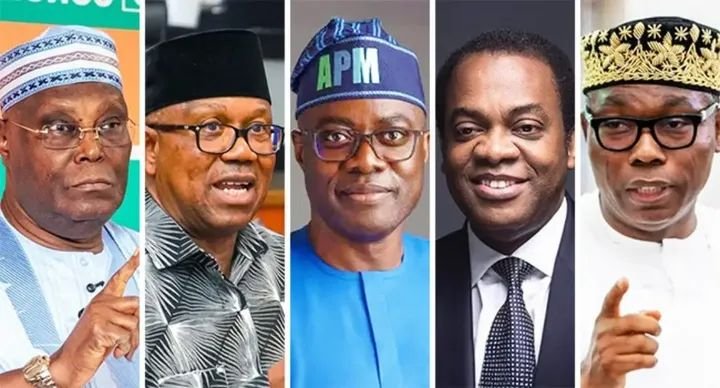
The NDC has expressed a preference for cooperation around Peter Obi and Rabiu Kwankwaso, while discussions involving ADC leaders and Oyo State Governor Seyi Makinde have also generated political interest.
However, no formal agreement on a common presidential ticket or power-sharing arrangement has been established.
The ADC, associated with former Vice-President Atiku Abubakar, remains involved in opposition consultations while pursuing its political ambitions.
Similarly, Makinde’s political camp has maintained its position on a Southern presidency, with arguments that the South should retain power until 2031.
PRP has indicated willingness to respect a democratically agreed opposition candidate, provided participating parties first establish a common national vision.
Meanwhile, the SDP continues preparations around its own presidential campaign, raising further questions about the extent of its commitment to a shared electoral platform.
The participation of the PDP faction led by Tanimu Turaki has also raised questions about which party structures and representatives have the authority to make binding commitments on behalf of the party.
Vote Protection Emerges As Common Ground
Although disagreements over presidential ambitions persist, protecting electoral integrity appears to be one area where opposition parties can work together.
The coalition has identified joint efforts to protect votes at polling units across the country as its first common national undertaking.
It said the proposed cooperation would focus on ensuring that Nigerians freely choose their leaders and that their votes count.
The coalition also argued that Nigeria needs a strong, independent and competitive opposition to sustain constitutional democracy.
According to Lukman, the latest initiative is designed to move opposition cooperation beyond personal relationships and establish written commitments that can survive changing political circumstances.
The November 23 summit is expected to attract national chairmen and secretaries of participating parties, members of their national working committees, presidential candidates and their running mates.
Representatives of the G100, the House of Representatives Minority Caucus, civil society organisations, the diplomatic community and the media are also expected to attend.
What November 23 Could Mean For 2027
The planned signing represents another attempt by opposition parties to build a common platform capable of challenging President Bola Tinubu and the APC in the 2027 general election.
However, signing cooperation documents does not automatically mean the parties have agreed to field one presidential candidate.
Their ability to establish joint structures, coordinate political activities and resolve disagreements over presidential ambitions will determine how effective the proposed coalition becomes.
For now, the November 23 summit will provide an opportunity for opposition leaders to demonstrate whether their commitment to unity extends beyond political consultations.