




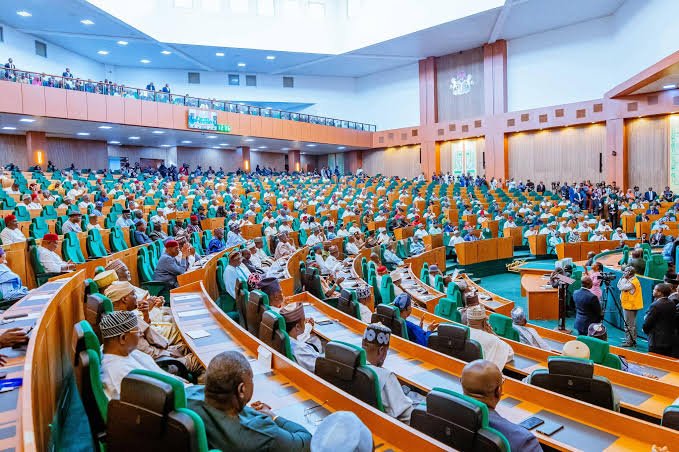
Opposition lawmakers in the House of Representatives staged a dramatic walkout on Tuesday after the chamber approved a controversial manual collation clause in the amended Electoral Act.
The protest erupted over Section 60(3), which allows manual collation of results where electronic transmission fails. Opposition members insisted that election results must be transmitted electronically without any fallback to manual processes.
The amended clause states that presiding officers must electronically transmit results from each polling unit to the Independent National Electoral Commission’s result viewing portal (IReV). However, it also provides that if electronic transmission fails due to technical or communication issues, Form EC8A — duly signed and stamped — will serve as the primary source for collation and declaration.
Opposition lawmakers demanded that the provision end after mandating electronic transmission, effectively scrapping manual collation as a backup.
In December, the lower chamber approved real-time electronic transmission of results to INEC’s IReV portal.
Earlier this month, the Senate of Nigeria initially rejected mandatory real-time transmission but later reversed its decision, approving electronic transmission with manual collation as a safeguard.
That compromise sparked criticism from opposition members who argue that manual collation creates room for electoral manipulation.
The tension escalated when Francis Waive moved a motion to rescind the earlier passage of the bill. Speaker Tajudeen Abbas ruled in favour of the “ayes” despite louder “nays”, triggering protests on the floor.
After an executive session lasting nearly two hours, debate resumed. Deputy Speaker Benjamin Kalu proceeded with clause consideration despite objections that lawmakers lacked copies of the bill.
When amendments to remove the manual collation clause were put to a voice vote, they were rejected.
Proposals by lawmakers including Bamidele Salam and Ikenga Ugochinyere seeking stronger safeguards for electronic transmission also failed.
Moments later, opposition lawmakers walked out of plenary in protest.
Lawmakers reduced the deadline for INEC to issue a notice of election from 360 days to 300 days.
They also amended Section 84, limiting political parties to direct primaries and consensus, removing indirect primaries as an option.
The manual collation clause now stands but the political fallout may just be beginning.