



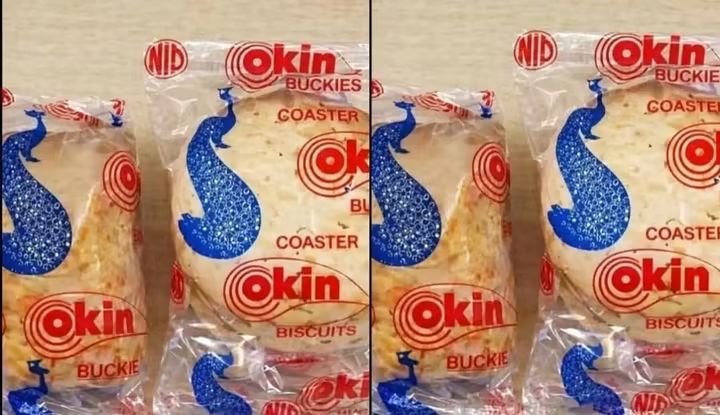
Okin Biscuits has resumed production after 17 years, with biscuits rolling off one of its rehabilitated production lines at its factory in Offa, Kwara State.
The company announced the development in a Facebook post on Tuesday, describing the restart as a major milestone in efforts to revive the iconic Nigerian brand.
“After 17 years… the line runs again,” Okin Biscuits said.
According to the company, the production line had to be rebuilt after cables, frequency drives, contactors, motors and other electronic components were stolen.
Okin Biscuits said the first production was a technical trial run, rather than a product trial. The exercise was designed to establish whether the production line could be brought back to life after years of inactivity.
“At this stage, we were not concerned about colour, appearance or achieving the final Okin recipe. The objective was simple: Can we bring this line, silent for 17 years, back to life? And we did!” the company said.
The company also announced that the factory had been connected to a 33kVA Band A electricity supply by the Ibadan Electricity Distribution Company (IBEDC).
However, Okin Biscuits said more testing, calibration and rehabilitation were still required before its products could return fully to the market.
It added that work was continuing to restore the familiar Okin taste and quality that consumers remember.
“But today, we celebrate progress.
“The machines are turning.
“The ovens are firing.
“The biscuits are beginning to roll out again.
“One step at a time. Okin is coming back,” the company said.
A Nigerian confectionery icon
Okin Biscuits was founded in 1980 in Ilorin, Kwara State, by Chief Emmanuel Olatunji Adesoye, an industrialist, educationist and traditional titleholder from Offa.
At its peak between the late 1980s and early 2000s, Okin was a pioneer in Nigeria’s indigenous confectionery industry, producing popular brands including Okin Shortcake, Okin Cabin, Okin Digestive and cream-filled sandwich biscuits.
Market competition and economic changes affected the company’s production in the late 2000s. Despite its struggles, Okin remained a nostalgic Nigerian brand for generations of consumers.
The restart of its production line now marks an important step in the company’s attempt to bring the brand back to the market.