

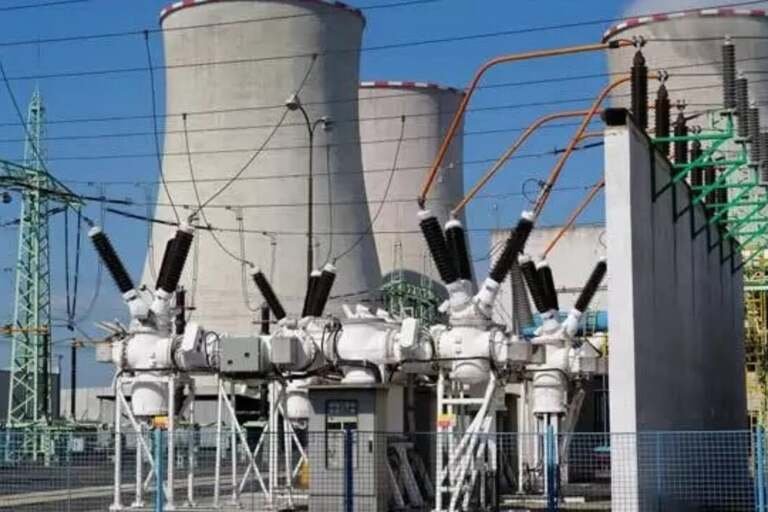
The Nigerian Independent System Operator (NISO) has dismissed reports of a national grid collapse, attributing the recent disruption in electricity supply to faults affecting four transmission lines.
The operator said the incidents caused significant power losses in parts of the country but did not result in a complete breakdown of the national electricity grid.
In a statement signed by its management, NISO explained that the first incident occurred at 12:34 pm on Friday when the Omotosho-Ikeja West transmission line tripped, resulting in a significant drop in electricity supply within the Lagos electricity complex.
The situation worsened at 12:50 pm when three additional transmission lines, Ihovbor-Oshogbo, Benin-Egbin and Ihovbor-Ajaokuta, also tripped.
According to the operator, the incidents triggered further electricity supply disruptions across some parts of the country.
NISO said its operational teams immediately activated emergency response measures in collaboration with the Transmission Company of Nigeria (TCN) to stabilise the grid and restore the affected transmission lines.
It confirmed that all four transmission lines had returned to normal operation by 2:49 pm on Friday.
The operator urged electricity consumers not to mistake the transmission line disturbances for a nationwide grid collapse.
It said, “The incident was a transmission line disturbance and not a system-wide collapse.”
NISO also reaffirmed its commitment to maintaining grid stability, coordinating electricity system operations and ensuring the reliable and secure operation of the national grid.
The operator advised members of the public to rely on its official communication channels for accurate information about developments in the country’s electricity system.
Nigeria has continued to experience electricity supply challenges, with recurring grid disturbances and limitations in power infrastructure affecting electricity delivery to consumers across the country.