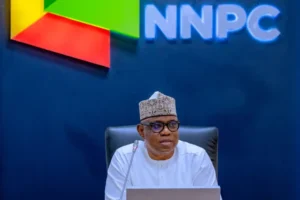


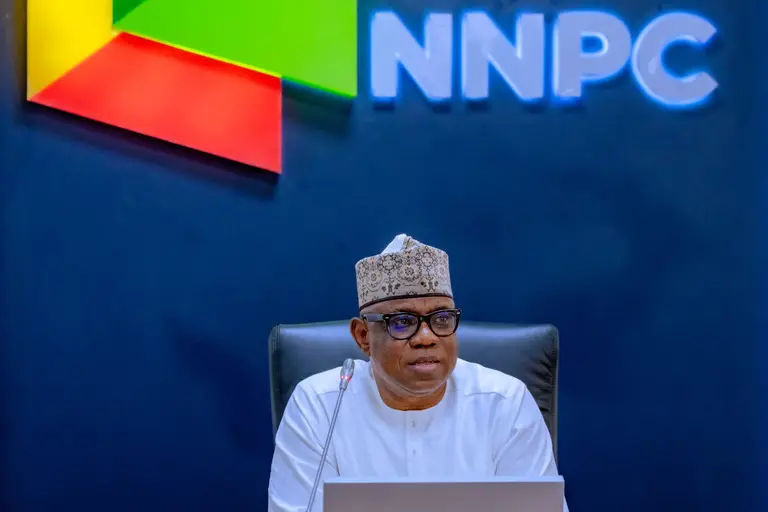
The Group Chief Executive Officer (GCEO) of Nigerian National Petroleum Company (NNPC) Limited, Bayo Ojulari, has declared Nigeria a reliable energy investment destination, urging global investors to tap into the country’s evolving oil and gas landscape.
Speaking at CERAWeek 2026 in Houston, Ojulari said Nigeria is leveraging stable policies, improved infrastructure security, and strategic partnerships to strengthen investor confidence.
He emphasised that the administration of Bola Tinubu has granted NNPC the autonomy to pursue long-term commercial solutions.
“Balance is not about equal allocation; it is about optimal sequencing,” Ojulari said, explaining that oil continues to deliver immediate value, gas supports industrial growth, while energy transition investments remain targeted and disciplined.
Addressing global energy leaders, including ministers and top executives, Ojulari said Nigeria’s strategy is anchored on realism, partnerships, and consistent delivery.
“Capital goes where value is clear, and Nigeria has that value,” he noted, stressing the country’s ability to meet both short-term energy demands and long-term transition goals.
The NNPC chief highlighted partnerships with major international oil companies such as Shell and Eni as key to unlocking deepwater assets like OPL 245.
According to him, the Petroleum Industry Act (PIA) has improved regulatory certainty, while targeted investments and stronger security frameworks are closing infrastructure gaps.
“When the fundamentals are right, partnerships scale naturally,” he added.
On gas development, Ojulari said the difference now lies in execution discipline, pointing to three critical drivers: commercial pricing, infrastructure projects such as the AKK pipeline, and bankable contracts that attract investors.
He explained that Nigeria is adopting a flexible approach to gas allocation, balancing domestic needs with exports to maximise both national and commercial value.
Ojulari also signalled a strategic shift in focus from resource ownership to resource monetisation, stressing that unlocking Nigeria’s vast undeveloped reserves will depend on strong partnerships, competitive fiscal policies, and sustained commercial discipline.