

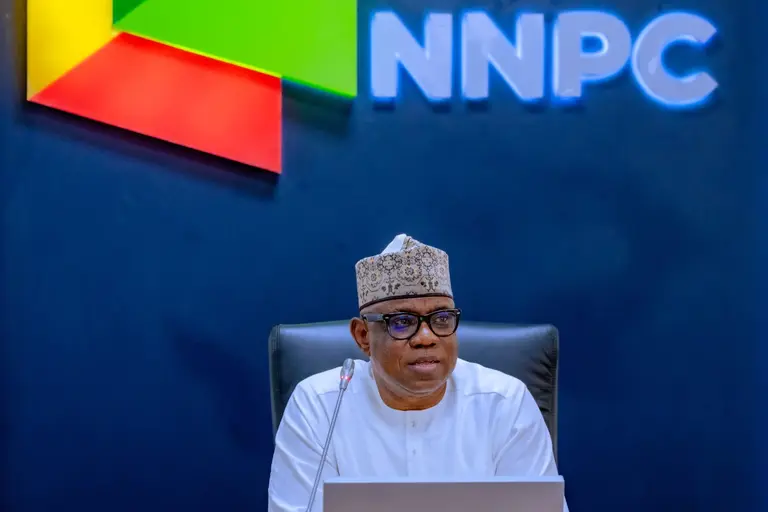
The Nigerian National Petroleum Company Limited (NNPC) has denied that operational constraints in its gas transportation network are responsible for the recent decline in electricity generation across the country.
The company maintained that its gas transportation infrastructure remains available to deliver gas to power-generating stations nationwide without any constraints.
NNPC’s position was contained in a statement issued by its Chief Corporate Communications Officer, Andy Odeh, following concerns raised by the Nigerian Independent System Operator (NISO) over the country’s declining electricity generation.
According to the company, operational records of its subsidiary, NNPC Gas Infrastructure Company Limited (NGIC), showed no transportation-related constraints that could explain the reduction in power generation.
“NGIC’s operational records do not indicate transportation-related constraints within its network that explain the current decline in electricity generation,” Odeh said.
NISO Earlier Identified Gas Supply Constraints
The clarification followed a November 5 statement by NISO, which attributed the decline in electricity generation partly to limited gas availability and reduced water inflows into hydroelectric power stations.
The system operator explained that inadequate gas supplies had restricted the capacity of affected thermal power plants to operate at their available levels.
It also noted that reduced water inflows into reservoirs had affected the electricity output of hydroelectric stations.
The resulting generation shortfall has reduced the volume of electricity allocated to Distribution Companies (DisCos), leading to shorter power supply hours and increased load shedding across distribution networks.
NNPC Reports 10% Growth in Gas Production
NNPC said gas production volumes had increased by approximately 10 per cent year-to-date in 2026, attributing the growth to the Federal Government’s gas development and monetisation agenda.
The company stressed that the operational condition of its transportation network should not be confused with gas production, commercial supply arrangements and actual deliveries to individual power plants.
It explained that these components of the gas-to-power value chain required separate assessments to establish the actual causes of the electricity generation shortfall.
NNPC Calls for Comprehensive Industry Review
The national oil company said identifying the causes of the generation decline required a broader assessment of the entire gas-to-power value chain.
According to NNPC, such an assessment should consider the availability and operational readiness of generating units, plant maintenance schedules and actual gas offtake.
The company explained that these factors determine whether gas supplied to power stations can effectively be converted into electricity.
It also called for a coordinated review of operational data involving gas suppliers, transportation companies, power generators and NISO to identify specific constraints and guide appropriate interventions.
NNPC maintained that accurate reporting across the gas-to-power value chain was essential to resolving the challenges and sustaining public confidence.
The company reiterated its commitment to dependable energy infrastructure and collaboration with industry stakeholders to translate Nigeria’s gas resources into more reliable electricity for consumers.
Power Outages Continue Across Major Cities
The disagreement comes amid worsening electricity supply disruptions in parts of Nigeria, including Lagos and the Federal Capital Territory.
Minister of Power Joseph Tegbe had attributed the ongoing outages to planned maintenance at Egbin Power Station, gas supply constraints affecting some thermal power plants and the sabotage of transmission lines.
He said the affected generating units were expected to return to service in phases, with the first units projected to resume operations within 48 to 72 hours.
The competing explanations from NISO and NNPC have renewed attention on the challenges affecting Nigeria’s electricity generation and the need for better coordination across the country’s gas and power sectors.