




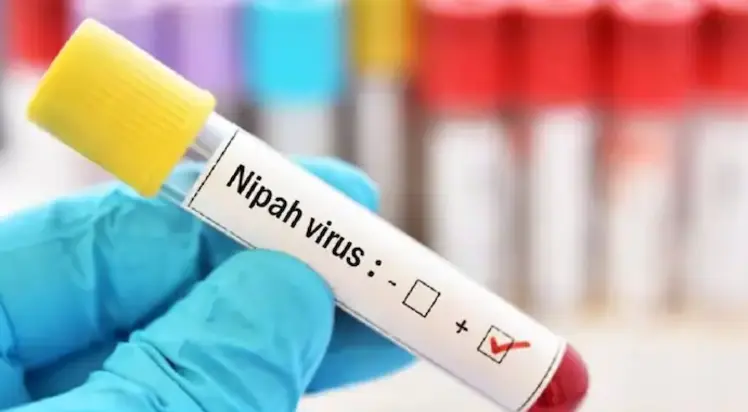
A rare but deadly virus has resurfaced in India, triggering health alerts across Asia and renewed fears of cross-border transmission.
India has confirmed two cases of the Nipah virus, a highly infectious zoonotic disease with a fatality rate of up to 75 per cent. The development has prompted neighbouring countries including Thailand, Singapore, Malaysia and Hong Kong to step up airport screening and disease surveillance.
What is the Nipah virus?
Nipah virus belongs to a group of pathogens known as henipaviruses. It is primarily transmitted from animals to humans, with fruit bats identified as the natural host.
The virus was first detected in 1998 in Sungai Nipah, a village in Malaysia, from which it takes its name. Humans can become infected through direct contact with infected bats, pigs or horses, or by consuming food products—such as raw date palm sap—contaminated by bats.
Crucially, the virus can also spread from person to person, especially in overcrowded or poorly ventilated settings such as hospitals.
Symptoms to watch for
According to the World Health Organisation (WHO), symptoms usually appear within three to 14 days, although incubation can extend to 45 days in rare cases.
Early signs include fever, headache, confusion, breathing difficulties and cough. Patients may also experience vomiting, diarrhoea, dizziness and extreme fatigue. In severe cases, the infection attacks the brain, causing encephalitis, coma and often death.
Medical experts say around two-thirds of patients deteriorate rapidly, slipping into coma within a week. Long-term neurological complications have been reported in about one in five survivors.
How dangerous is it?
The US Centers for Disease Control and Prevention (CDC) classifies Nipah as a biosafety level four virus, placing it in the same category as Ebola. This means it requires the highest level of laboratory containment and is considered a potential bioterrorism threat.
The virus is particularly dangerous due to its high fatality rate, ability to spread between humans, and the absence of approved vaccines or targeted treatments.
Is there any treatment?
There is no licensed vaccine or specific antiviral drug for Nipah virus. Treatment is limited to intensive supportive care, including oxygen therapy, ventilation, dialysis where necessary, and careful management of complications such as brain swelling and pneumonia.
Health experts stress that early diagnosis and isolation remain the most effective tools for survival and outbreak control.
India’s current outbreak
India’s health ministry confirmed that the two cases were detected in late December in West Bengal, with both patients identified as healthcare workers. Authorities have traced 196 contacts, all of whom tested negative and remain under observation.
The government says surveillance, testing and containment efforts have been intensified, adding that the situation is under constant monitoring.
Regional and global response
Several Asian countries have tightened entry screening for travellers arriving from India. Thailand, Vietnam and Indonesia have introduced temperature checks and health declarations, while China has strengthened disease prevention measures along its borders. Myanmar has advised against non-essential travel to West Bengal.
The WHO, however, has assessed the risk of international spread as low and does not recommend travel or trade restrictions at this stage.