


Rising cooking gas prices are placing fresh pressure on households across Nigeria, with Liquefied Petroleum Gas (LPG) now selling for as much as N2,400 per kilogramme in some locations.
The sharp increase has compounded the country’s cost-of-living crisis, forcing many families and small business owners to abandon gas in favour of charcoal and firewood despite environmental and health concerns.
Across major cities, consumers say the relentless price hikes have made cooking increasingly expensive. While some filling stations still sell LPG for between N1,650 and N1,900 per kilogramme, neighbourhood retailers and informal vendors charge significantly more.
In Ibadan, residents expressed frustration over the soaring costs.
Mrs Deborah Akintola said she bought cooking gas at N1,600 per kilogramme just a week ago, only to discover prices had jumped to N1,900 and above in some outlets.
“In May, it was N1,000. This increase is just too much. Everything, including foodstuffs, is expensive,” she lamented.
At a filling station in the Gbagi area, LPG sold for N1,650 per kilogramme on Thursday, but many residents fear further increases.
Another resident, Mary Dada, described the frequent price changes as exhausting.
“I don’t understand why the price keeps going up. Every month, there is one increase or another. It’s just annoying,” she said.
Lagos Residents Feel the Pinch
The situation is similar in Lagos, where consumers report paying significantly more than they did just a few months ago.
Ibrahim Ozigis said he purchased gas at N1,650 per kilogramme this month, compared to N1,100 in May.
For Desire Billy, the rising costs are altering household cooking habits.
“It has got to a point where you buy gas and cannot use it to cook beans. Last week, I bought it at N1,500, whereas in February I bought it for N1,200. It keeps increasing,” she said.
Charcoal Makes a Comeback
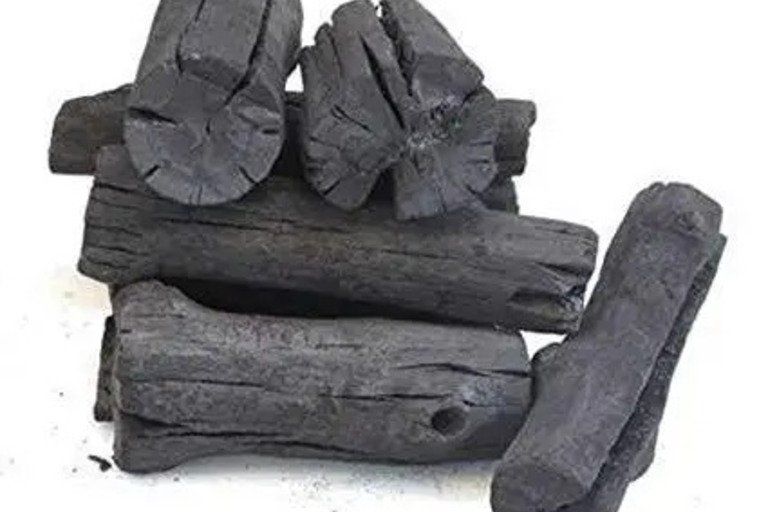
In Ilorin and several other cities, many residents have begun switching back to charcoal as gas becomes unaffordable.
Kemisola Nitta said some gas dealers had temporarily suspended sales because of unstable prices.
“We have stopped using gas and opted for charcoal. I think it is cheaper,” she said.
The trend is even more pronounced in Abuja, where cooking gas now sells for around N2,000 per kilogramme in many outlets.
Food vendor Mayo Akinpelu said repeated price increases forced her to abandon gas completely.
“Refilling my gas cylinder became difficult because the price kept rising. I could no longer afford it and still make reasonable profit. Right now, 12.5kg of LPG goes for N25,000,” she said.
She now relies on firewood and charcoal to keep her business running.
Why Are Cooking Gas Prices Rising?
The increase comes despite a rise in domestic LPG production and a reduced dependence on imports.
According to data from the Nigerian Midstream and Downstream Petroleum Regulatory Authority, local refineries and gas processing plants supplied most of Nigeria’s LPG needs between April 2025 and April 2026.
However, consumers have seen little benefit from the higher domestic output.
The Nigerian Association of Liquefied Petroleum Gas Marketers warned that erratic supply and rising acquisition costs continue to drive prices upward.
The association revealed that marketers now pay between N25.2 million and N26.2 million for 20 metric tonnes of LPG.
“The citizens of Nigeria now have to buy cooking gas, which should be a social commodity, at a prohibitive cost of over N1,500 per kilogramme,” the association stated.
Industry operators also blame product scarcity, foreign exchange pressures, rising depot costs, transportation expenses and operational challenges for the persistent increases.
Gas reseller Opeyemi Olaire explained that transportation costs significantly affect retail prices.
“If I buy from Gasland at N1,700 and use an okada to transport it for N600, how much do you want me to sell it for? The government should look for a way to bring the price down,” she said.
Growing Concerns Over Clean Energy Adoption
Stakeholders warn that sustained price increases could undermine years of efforts to promote cleaner cooking energy in Nigeria.
Charcoal and firewood sellers in Abuja report surging demand as households search for cheaper alternatives. Some vendors say sales that previously took more than a week now conclude within two days.
At the same time, increased demand is beginning to push up the prices of charcoal and firewood, creating additional challenges for low-income families.
With inflation continuing to squeeze household incomes, many Nigerians are calling for urgent government intervention to stabilise cooking gas prices and prevent further erosion of living standards.