


At least one Nigerian has been identified among dozens of people injured during the interception of Iranian ballistic missiles in the United Arab Emirates (UAE), as tensions escalate across the Gulf.
Authorities in UAE say their air defence systems have been working around the clock to repel retaliatory attacks from Iran following the outbreak of hostilities on February 28.
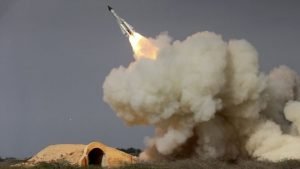
According to the UAE defence ministry, a total of 262 ballistic missiles have been detected since the conflict began.
Of those missiles, 241 were intercepted and destroyed by air defences, 19 fell into the sea, and two landed inside UAE territory.
Officials said the attacks have so far resulted in six deaths involving citizens of the UAE, Pakistan, Nepal and Bangladesh.
In addition, 122 people sustained minor and moderate injuries, including individuals from multiple countries across Africa, Asia and the Middle East.
The injured include nationals from Egypt, Sudan, Ethiopia, the Philippines, Pakistan, Iran, India, Bangladesh, Sri Lanka, Azerbaijan, Yemen, Uganda, Eritrea, Lebanon, Afghanistan, Bahrain, Comoros, Turkey, Iraq, Nepal, Oman, Jordan and Palestine — including at least one Nigerian.
However, the UAE authorities did not provide a breakdown of the number of casualties by nationality.
On Wednesday, the country’s defence minister said the military was continuing to intercept additional missiles and drones launched from Iran, while reaffirming the UAE’s readiness to respond to any threats.
Nigerians Call for Evacuation
As the conflict intensifies across the Gulf, some Nigerians stranded in the region are urging the federal government to prepare evacuation flights.
Many Nigerians live, work or transit through Gulf countries such as the UAE, Qatar and Saudi Arabia.
Responding to concerns, Abike Dabiri-Erewa, chairperson of the Nigerians in Diaspora Commission, said Nigeria would begin evacuating stranded citizens once regional airspace reopens.
Authorities have yet to confirm how many Nigerians are currently trapped in Iran or other Middle Eastern countries affected by the crisis.