



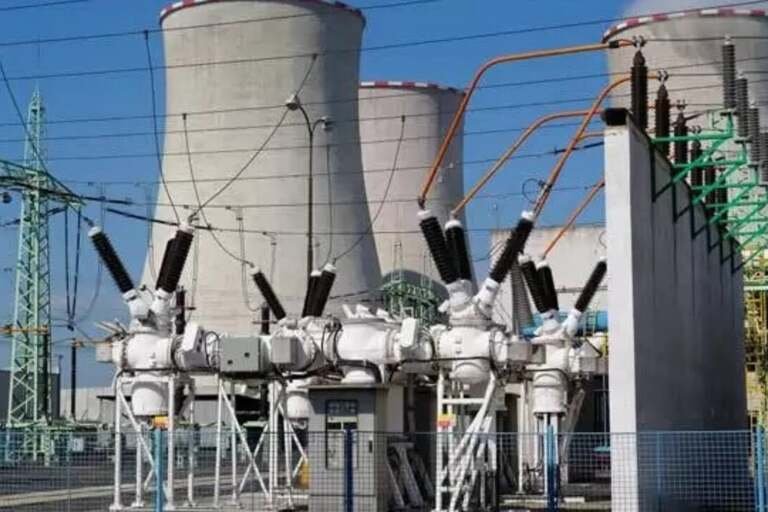
Nigeria’s electricity output has recorded a modest increase, rising from 3,951 megawatts (MW) on March 28 to over 4,300MW by April 10, the federal government has said.
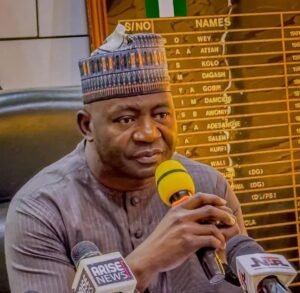
According to Adebayo Adelabu, the improvement signals early progress in efforts to stabilise power supply across the country.
In a statement issued on Sunday, his spokesperson, Bolaji Tunji, said the increase aligns with the minister’s recent pledge to deliver better electricity within two weeks.
The government attributed the rise in electricity generation to improved gas supply to thermal power plants. Gas availability increased from about 605 million standard cubic feet per day (mmscfd) to over 704 mmscfd during the review period.
Tunji said data showed a steady upward trend, supported by better coordination among stakeholders and improved operational efficiency.
Mechanical availability also peaked at over 7,796MW in early April, while operational availability rose from about 4,208MW to over 4,694MW.
Despite minor fluctuations, the government said the overall trajectory suggests gradual recovery in the power sector, which remains heavily dependent on gas-fired plants.
To sustain the gains, Adelabu recently inaugurated a gas-to-power monitoring committee aimed at improving coordination between gas producers and electricity generation companies.
The committee is expected to address supply bottlenecks and ensure more stable electricity delivery nationwide.
Tunji noted that the government remains committed to building on the progress, although challenges persist.
“We are not there yet, but we will continue to ensure measurable improvements,” he said.
NEMSA Reforms and Metering Push
Adelabu has also tasked the Nigeria Electricity Management Services Agency (NEMSA) with boosting its internally generated revenue and strengthening its operational capacity.
During a meeting with agency leadership, the minister called for the expansion of meter testing centres across Nigeria’s geopolitical zones.
He stressed the need to tackle manpower shortages, especially among meter installers, and urged collaboration with the National Power Training Institute of Nigeria to train more personnel.
The move is part of broader efforts to close the country’s metering gap and improve transparency in electricity billing.