




Fresh waves of violence have shattered Easter celebrations across Nigeria, as coordinated attacks in Benue, Kaduna and Borno states left several people dead, many abducted and communities destroyed.
The renewed bloodshed comes barely a week after the deadly Palm Sunday attack in Plateau State, raising serious concerns over the country’s worsening security crisis.
In Benue State, at least 17 residents were reportedly killed in Mbalom, Gwer East Local Government Area, when gunmen stormed the community during Easter celebrations. Witnesses said the attackers opened fire on villagers and set homes ablaze, forcing many to flee into nearby bushes.
Hyacinth Alia condemned the attack as “heinous and unacceptable,” warning of a disturbing pattern of targeted violence in rural communities. He assured residents that those responsible would be pursued.
Local accounts suggest the community had prior intelligence of the attack and alerted authorities days earlier, but no preventive action was taken. Survivors said only men remained in the village at the time, as women and children had been moved out in anticipation of violence.
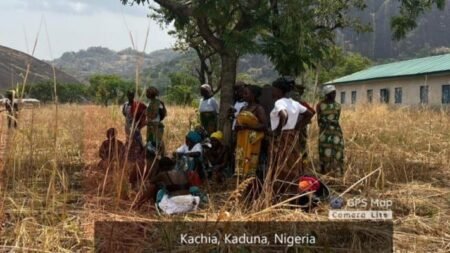
In Kaduna State, terrorists struck Ariko community in Kachia LGA, targeting two churches, First ECWA Church and St. Augustine Catholic Church during Easter services. At least seven worshippers were killed, while several others were abducted.
According to local officials, the attackers operated for nearly an hour, shooting sporadically before retreating into the bush with captives. Poor telecommunications in the area reportedly delayed emergency response.
However, the Nigerian Army later said troops foiled part of the attack and rescued 31 abducted civilians after a gun battle with the assailants. Soldiers recovered five bodies, while operations continue to track fleeing terrorists.
In Borno State, suspected Boko Haram fighters attacked Awapul community in Chibok LGA in the early hours of Sunday. Although no lives were lost, homes and shops were destroyed, forcing residents to flee.
The incident followed another assault on an IDP camp and a police facility in Damasak, where four police officers and a local hunter were killed during a heavy exchange involving rocket-propelled grenades.
Reacting to the escalating violence, Matthew Kukah warned that Nigeria is drifting dangerously amid “endless turbulence.” In his Easter message, he described the country as overwhelmed by insecurity, poverty and governance failures.
He cautioned that growing distrust in government institutions is pushing some citizens towards collaboration with criminal groups.
Meanwhile, Senate President Godswill Akpabio expressed optimism that Nigeria would overcome its security challenges, urging citizens not to lose hope despite the widespread grief.
But the #FixPolitics Initiative criticised the Federal Government’s response as slow and inadequate, warning that repeated condemnations without decisive action risk normalising mass violence.
The group stressed that timely and visible leadership is crucial, adding that delayed reactions send the wrong message to both victims and perpetrators.
As attacks intensify across multiple regions, Nigerians are once again left questioning the effectiveness of security measures and whether official condemnations can truly stop the cycle of bloodshed.