



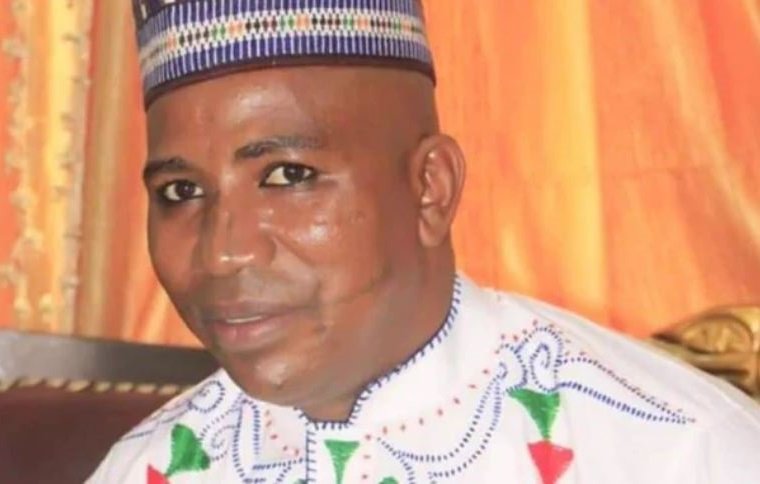
The Miyetti Allah Cattle Breeders Association of Nigeria (MACBAN) has strongly denied any involvement in banditry, terrorism, kidnapping or cattle rustling, following a proposed sanctions bill by US lawmakers.
The bill reportedly seeks to impose visa bans and asset freezes on individuals and entities accused of severe religious freedom violations in Nigeria. Among those listed are Rabiu Kwankwaso, MACBAN, Miyetti Allah Kautal Hore, and groups described as Fulani-ethnic nomad militias.
Speaking at a press conference on Sunday, MACBAN national president, Baba Ngelzarma, said the association respects the sovereign right of the United States to debate issues of religious freedom and human rights. However, he described attempts to link MACBAN with terrorism as “false, unfounded and injurious”.
“We categorically reject such insinuations,” he said, stressing that MACBAN is a duly registered national body established in 1986 under Nigerian law.
Ngelzarma noted that for over four decades, the association has operated openly with democratically elected executives at national, state and local levels. He added that MACBAN is recognised by federal and state governments as a stakeholder in livestock development, pastoral welfare and conflict mediation.
“Our members contribute significantly to Nigeria’s protein supply and rural economy,” he said.
The MACBAN president warned that international blacklisting of legitimate actors could trigger economic losses, disrupt trade and further marginalise vulnerable pastoral communities.
He also argued that pastoralists have themselves suffered from insecurity. According to him, armed groups have attacked communities, rustled cattle, displaced families and assassinated leaders.
“In 2025 alone, at least eight of our state leaders were killed by criminal elements. These tragedies show we are victims of insecurity, not perpetrators,” he said.
Ngelzarma called on senate committees on foreign affairs and on national security and intelligence to correct what he described as an erroneous characterisation. He urged the use of parliamentary diplomatic channels to engage the US Congress constructively and ensure counterterrorism cooperation is not based on “false equivalences”.