




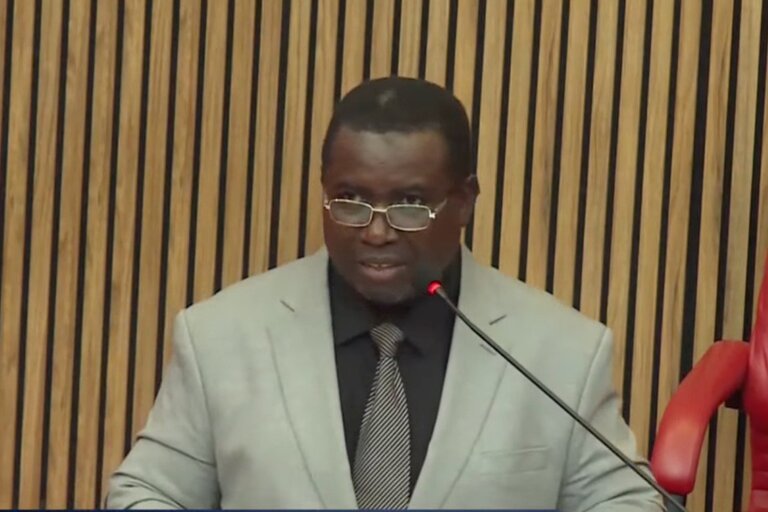
The Movement for Credible Elections (MCE) has urged the chairman of Independent National Electoral Commission (INEC), Joash Amupitan, to step aside over what it describes as a deepening crisis of confidence ahead of Nigeria’s 2027 general elections.
In a statement issued by its media coordinator, James Ezema, the group said allegations linking the INEC chairman to partisan expressions favouring the ruling All Progressives Congress (APC) had raised serious concerns about his neutrality.
Although Amupitan has denied the claims, MCE said the rebuttal has failed to calm public anxiety, calling instead for an independent investigation using digital forensic tools to verify the allegations.
The group warned that the controversy risks distracting the electoral body and undermining preparations for the 2027 polls. It demanded that the INEC chairman temporarily step aside to allow a transparent probe by a panel comprising judicial officers, forensic experts and civil society representatives.
Separately, Corporate Accountability and Public Participation Africa (CAPPA) raised alarm over the growing role of money in Nigeria’s politics. In a statement signed by its board chairman, Auwal Musa Rafsanjani, and executive director, Akinbode Oluwafemi, the organisation warned that vote-buying and the influence of wealthy actors threaten credible elections.
“The influence of money in politics has reached alarming levels,” CAPPA said, cautioning that unchecked monetisation could erode the legitimacy of the 2027 elections.
Meanwhile, police in Ekiti State have pledged to crack down on vote-buying during the June 20, 2026 governorship election. Speaking through police spokesperson Sunday Abutu, authorities said security agencies would deploy strategies to prevent electoral offences.
The assurance came during a stakeholders’ dialogue organised by the International Press Centre (IPC) with support from the European Union.
Ekiti Resident Electoral Commissioner, Bunmi Omosehindemi, stressed the importance of voter education and proper accreditation, while IPC executive director Lanre Arogundade said the initiative is part of a broader programme to strengthen democratic governance.