


Nigeria’s entertainment industry is undergoing a major transformation as digital technology changes how people discover music, watch films and connect with their favourite entertainers.
For decades, Nollywood and the country’s music industry have dominated the entertainment landscape. Today, streaming platforms, social media and interactive gaming are creating additional ways for audiences to engage with content.
According to DataReportal’s Digital 2026 Nigeria report, Nigeria had approximately 109 million internet users at the end of 2025. The figure highlights the scale of the country’s digital audience and the opportunities available to entertainment creators.
Online gaming becomes part of everyday entertainment
Mobile gaming is becoming an increasingly visible part of Nigeria’s digital entertainment culture. Games such as Call of Duty: Mobile, PUBG Mobile and EA SPORTS FC Mobile allow players to compete with friends, join online communities and enjoy multiplayer experiences without purchasing expensive consoles.
The gaming landscape also extends beyond traditional video games. Browser-based entertainment, interactive platforms and real-money gaming services form part of the wider digital market. For adults exploring the casino gaming sector, Casino.com Nigeria provides reviews and comparisons of online casino platforms, covering features such as mobile compatibility, payment methods, game selection and user experience. Unlike conventional video games, real-money gambling involves financial risks and separate regulatory requirements.
For many players, gaming has also become a social activity. Online tournaments, livestreams and gaming communities allow people to share experiences regardless of their location.
This growing interest in interactive entertainment is creating new opportunities for content creators who specialise in gaming commentary, tutorials and live broadcasts.
Afrobeats continues to benefit from digital exposure
Nigeria’s music industry has experienced significant international recognition, with Afrobeats becoming an important part of global popular culture.
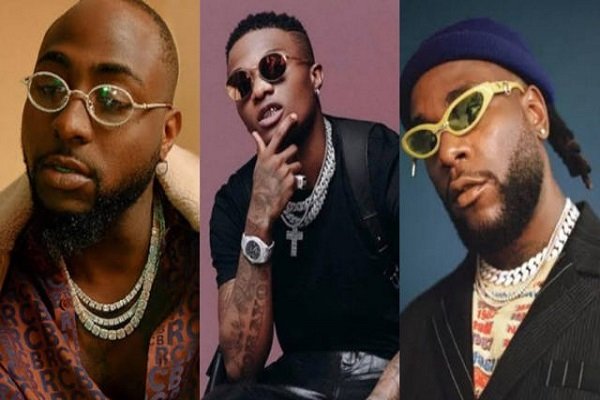
Artists such as Burna Boy, Wizkid, Davido and Rema have helped introduce Nigerian sounds to international audiences, while streaming services make their music accessible across different markets.
Platforms including Spotify, Apple Music and YouTube have changed how listeners discover new releases. Instead of relying exclusively on radio stations, fans can explore playlists, follow artists and share songs directly.
Social media has added another dimension to music promotion. A popular dance challenge or short video featuring a particular song can introduce an artist to audiences who may never have encountered their work through traditional media.
For emerging musicians, these platforms provide opportunities to build an audience independently, although competition for attention remains intense.
Nollywood adapts to changing viewing habits
Nigeria’s film industry is also responding to the growing demand for digital entertainment.
Streaming services and online video platforms offer alternatives to traditional cinema releases, allowing audiences to watch films on smartphones, tablets and televisions.
This flexibility has become particularly important for viewers who prefer entertainment that fits around their schedules.
Digital distribution also creates opportunities for Nigerian filmmakers to reach audiences outside the country.
Members of the Nigerian diaspora can access stories reflecting familiar cultures, languages and experiences.
However, online distribution introduces challenges involving piracy, production budgets and revenue sharing.
Filmmakers must balance the opportunities offered by digital platforms with the need to maintain sustainable business models.
Social media changes the relationship between celebrities and fans
Social media has become an important communication channel for Nigerian entertainers.
Musicians, actors and comedians can now share updates directly with followers without relying entirely on television interviews or traditional publicity campaigns.
Instagram, TikTok, YouTube and X allow celebrities to promote projects, respond to fans and participate in conversations surrounding their work.
For audiences, this creates a stronger sense of involvement.
Fans can comment on performances, share reactions and contribute to discussions that influence how entertainment stories circulate online.
The same platforms have also helped independent comedians and digital creators establish careers through sketches, interviews and original video content.
Livestreaming creates new entertainment opportunities
Livestreaming is another area where entertainment and audience participation increasingly overlap.
Gaming creators can broadcast competitive matches, musicians can share performances, and online personalities can interact with viewers in real time.
Unlike traditional broadcasting, livestreaming allows audiences to participate through comments, questions and immediate reactions.
For creators, this can strengthen community engagement and provide additional opportunities for sponsorships and digital subscriptions.
However, success depends on more than attracting viewers. Consistent content, reliable internet access and audience trust remain important factors.
Connectivity remains an important challenge
Despite the opportunities created by digital entertainment, access remains uneven.
Internet costs, network reliability and the price of suitable devices can influence how frequently Nigerians use streaming and gaming services.
Video streaming and multiplayer gaming may require substantial amounts of data, making affordability an important consideration.
These challenges also encourage platforms to develop mobile-friendly interfaces, adjustable video quality and features that reduce unnecessary data consumption.
As connectivity improves, more audiences could gain access to entertainment experiences previously limited by technical requirements.
The future of entertainment in Nigeria
Nigeria’s digital entertainment landscape is becoming increasingly diverse.
Music, film, gaming and social media are no longer entirely separate industries. Artists collaborate with online creators, gaming communities share entertainment content, and digital platforms provide new opportunities for audience participation.
The next stage of development will depend on affordable connectivity, sustainable revenue models and continued investment in local talent.
While Nollywood and Afrobeats remain central to Nigeria’s cultural identity, interactive entertainment is adding another dimension to how audiences experience and share Nigerian creativity.