


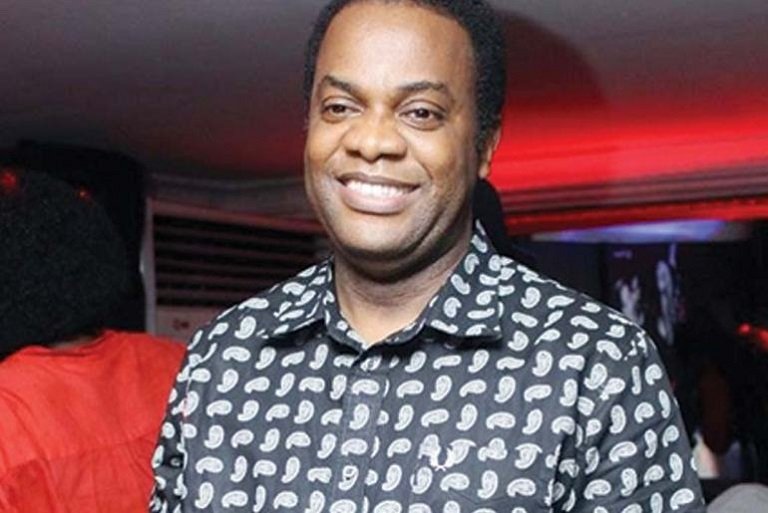
Former Cross River State Governor Donald Duke has criticised the Federal Government’s Lagos-Calabar Coastal Highway project, describing it as a misplaced priority that Nigeria cannot afford amid pressing economic challenges.
Speaking on Prime Time on Arise Television on Tuesday, Duke argued that the 750-kilometre project is an imprudent use of scarce public resources, insisting that government spending should reflect the country’s economic realities.
“I’ll bring this up. Take the Lagos-Calabar highway. I know the country cannot afford it,” Duke said.
He questioned the feasibility of constructing a coastal road through the Niger Delta, particularly Bayelsa State, which he described as predominantly swampy terrain.
“You cannot build a road on the coast from Lagos to Calabar. I mean, you can’t even go through Bayelsa. Bayelsa is swamp. Even Yenagoa, the capital, is swamp. You’ll probably have to build about 100 or 200 bridges to go through those swamps,” he said.
Duke, the Peoples Redemption Party (PRP) presidential candidate for the 2027 election, also claimed the project would not extend beyond Epe in Lagos State.
According to him, Nigeria already has a highway linking Lagos and Calabar, and government should focus on rehabilitating the existing route instead of constructing a new one.
“There is already a road to Calabar. I’ve driven from Lagos to Calabar several times. If the road is poor, fix it,” he said.
“I don’t think that road is going to go beyond Epe, and I think the road serves other purposes because I drove once on the road and all I saw on the right flank going towards Epe was land reclamation and all that.”
The former governor argued that the billions allocated to the coastal highway would have a greater impact if invested in electricity, healthcare and education.
“The amount going to be spent on that road could be better spent providing electricity or upgrading your healthcare system,” he said.
Duke also lamented what he described as inadequate funding for the health sector, saying Nigeria’s healthcare and education systems require far greater investment.
He called for reforms to the country’s revenue collection system, arguing that over-reliance on taxing corporate profits encourages tax avoidance. Instead, he advocated expanding transaction-based taxes and improving revenue administration.
On energy, Duke said affordable electricity remains critical to driving productivity and economic growth.
“We are blessed with all the known forms of energy, from hydro to solar to gas to petroleum,” he said.
“I’m not saying give it free of charge, no, but make it available and very affordable because that is going to be a major stimulus for the productivity of your people.”
Duke governed Cross River from 1999 to 2007.