

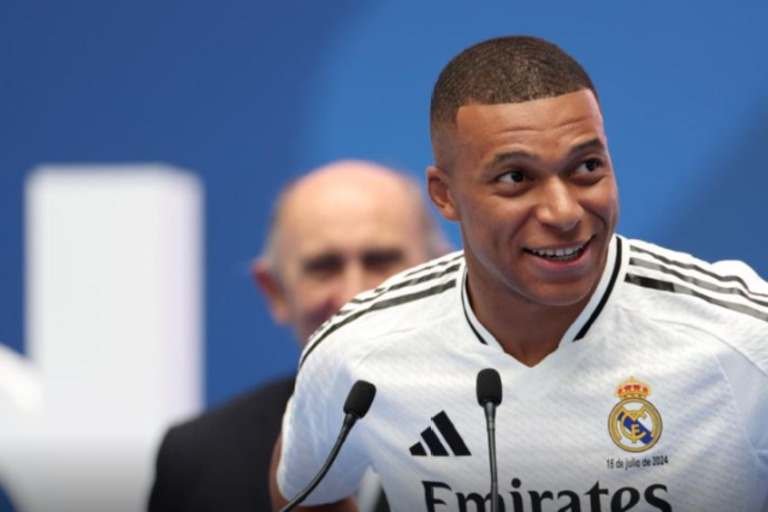
China state broadcaster CCTV declined to broadcast a Real Madrid match, even after French striker Kylian Mbappé apologized for his controversial comments about the late Chinese leader Mao Zedong.
The decision was made on Sunday, when Real Madrid played Racing Santander in a La Liga match and won 3-0, with goals from Mbappé, Jude Bellingham, and Yan Diomande.
China Media Group (CMG), CCTV’s parent organization, had announced the previous Tuesday that it would suspend broadcasts of Spanish La Liga matches after widespread backlash over Mbappé’s remarks.
The controversy broke out after the French forward reportedly said on the French talk show The Bridge that the meme that made him laugh the hardest was one showing his face superimposed on an image of a Chinese dictator resembling Mao.
His comments provoked anger throughout China, where Mao remains a highly sensitive historical and political figure.
Mbappé later apologized, conceding that his remarks had been ill-judged and recognizing that they had hurt many people in China and in Chinese communities worldwide.
China’s foreign ministry said it took the apology seriously, and Real Madrid and La Liga also apologized over the incident.
CMG had earlier demanded apologies from Mbappé, Real Madrid, and La Liga, calling them an absolute prerequisite for resolving the controversy.
Even though the broadcaster has acknowledged the apologies, it has not yet said when La Liga coverage will resume.
The incident has also reportedly caused several Chinese brands to remove Mbappé from their promotional campaigns.
Mao, who founded the People’s Republic of China in 1949 after leading the Communist Party to victory in the civil war, died in 1976.
His rule encompassed the Great Leap Forward and the Cultural Revolution, periods linked to mass famine, political persecution, and widespread violence.
China has taken similar action against international sports organizations over political controversies in the past.
In October 2019, Chinese broadcasters suspended NBA coverage for roughly a year after Houston Rockets general manager Daryl Morey voiced support for Hong Kong protesters in a social media post.
Morey later tried to clarify his remarks, saying he had listened to other viewpoints and had never meant to offend Chinese fans or sponsors.
The latest dispute underscores the potential commercial consequences that international sports figures and organizations can face when their public comments conflict with China’s political sensitivities.