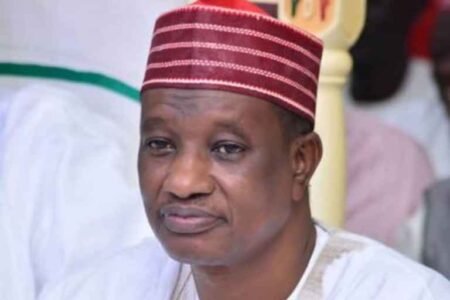





The Federal Government has raised the alarm over Nigeria’s inability to feed more than 50 million cattle owned by rural dwellers, describing the situation as a national emergency that threatens food security, livelihoods and stability.
Minister of Livestock Development, Idi Mukhtar Maiha, sounded the warning on Friday at the opening of a two-day ECOWAS Policy Dialogue Workshop on the PRISMA livestock research project. Represented by Dr Peter Alike from the Permanent Secretary’s office, he said the crisis highlighted why the livestock sector could no longer be neglected.
According to him, the livestock industry is already contributing over $32 billion to Nigeria’s GDP despite chronic feed shortages and other structural challenges. With proper development, he added, the sector could generate more than $94 billion within a decade. He noted that the creation of a dedicated livestock ministry was a deliberate step towards unlocking this potential.
Maiha stressed that Nigeria’s 50 million cattle depend on an effective feed system, warning that failure to provide it would have “a direct effect on our very existence, rural livelihood and human peace”.
He also questioned the possible exclusion of Nigeria from major regional livestock initiatives, insisting that no project of such magnitude could succeed without the country’s involvement.
Acting Executive Director of ECOWAS’ Regional Agency for Agriculture and Food (ARAA), Mr Konlani Kanfitin, reaffirmed the organisation’s commitment to boosting livestock development across West Africa. He praised the EU and the Spanish Cooperation Agency for co-funding the PRISMA project, which targets stronger research, innovation and resilience within agro-pastoral systems.
PRISMA researcher Dr Fernando Escribano explained that the project focuses on aflatoxins—harmful toxins formed by fungi in animal feed. He emphasised the need for harmonised regional standards to detect, measure and control aflatoxins, noting that environmental threats “do not have borders”.