



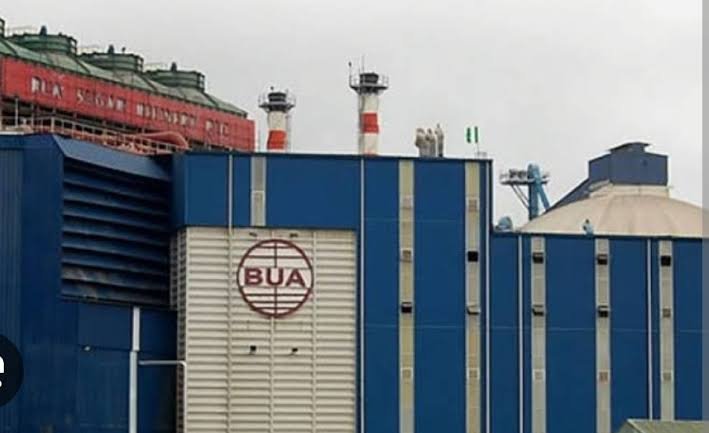
BUA Cement has commenced the production of POP gypsum plasterboards at its Port Harcourt facility, less than a year after operations began at the 2,400-tonne-per-day plant, marking a significant expansion of its building materials portfolio.
Chairman of the company, Abdul Samad Rabiu, announced the development in a Facebook post, describing it as part of BUA’s broader push to deepen local manufacturing in Nigeria.
“Production has commenced at our Port Harcourt facility for POP gypsum plasterboards, building on the POP production we started earlier,” Mr Rabiu said.
The move positions BUA to tap into a long-standing supply gap in Nigeria’s POP market, which has historically relied heavily on imports to meet local demand.
The Port Harcourt facility, operating under BUA Gypsum Plaster Limited, has been described as the largest POP manufacturing plant in Nigeria. Beyond domestic supply, the company is also targeting export markets across West Africa as it seeks to grow regional market share.
POP gypsum plasterboards are produced using gypsum, a key raw material commonly used as a binder in cement, concrete and other construction products. The boards are valued for their white finish, fire resistance and suitability for interior mouldings.
Speaking in December 2024, Mr Rabiu—who owns 95.8 per cent of BUA Cement—said the plant would focus largely on the housing and construction sectors, where demand continues to rise.
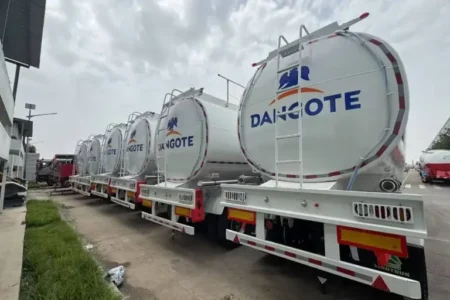
Nigeria’s housing shortage, estimated at about 22 million units, continues to drive growth for cement and building materials producers in a market dominated by BUA Cement, Dangote Cement and Lafarge Africa.
The three manufacturers posted average EBITDA margins exceeding 45 per cent in the six months to June 2025, significantly higher than industry averages in Europe and other African markets.
EBITDA margin measures operating profitability before interest, tax, depreciation and amortisation.
However, analysts argue that the dominant players are leveraging their size and market power to push through price increases, even amid concerns about weak demand.
“Plant capacity is growing faster than demand, yet prices keep rising,” said Olaolu Femi Boboye, Sub-Saharan Africa lead economist at CardinalStone.