



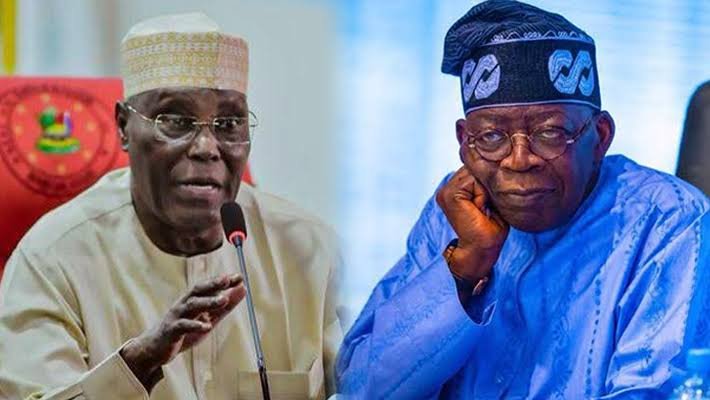
Former Vice President Atiku Abubakar has accused President Bola Tinubu’s administration of abandoning Nigerian students studying abroad under the Bilateral Education Agreement (BEA).
He warns that the alleged breach has left approximately 1,600 young Nigerians stranded abroad and without support.
He stated that the BEA, which began in 1993 and was revitalized in 1999, was created to help Nigerian students continue undergraduate and postgraduate study through agreements between Nigeria and partner nations, describing it as a diplomatic bridge now left broken.
“What was initially described as a temporary five-year suspension soon metamorphosed into outright abandonment,” Atiku said.
According to the politician, the decision has left beneficiary students abroad without stipends, with outstanding allowances now running into thousands of dollars per student.
“Their pleas are desperate and straightforward: pay the stipends owed, now more than $6,000 per student.
“Yet from the corridors of power came a cold, technocratic explanation: scarce public funds must be managed ‘responsibly,’ and money meant to keep these students alive abroad should instead be redirected home,” he said.
He claimed the suffering intensified between September and December 2023, when stipends were underpaid, before allowances were cut by 56 percent in 2024 from $500 to $220 per month and eventually ceased totally. He said that there was no payment during 2025.
“The cruelty of the moment was sharpened by timing and tone. Hunger, rent arrears, and shame have become the daily companions of the beneficiary students.
“In Morocco, one student did not survive the ordeal, dying in November last year and turning quiet suffering into public grief,” he said.
He stated that parents and kids protested in Abuja, assembling at the Ministries of Education and Finance to demand answers, but that their cries were largely ignored.
The former vice president criticized remarks attributed to the education minister, which suggested that students who were ‘fed up’ could be paid to return home, claiming that the comment reduced years of study and sacrifice to an administrative annoyance.
“To worried parents, it sounded like expulsion via neglect. Today, that pact has been violated,” he remarked.
He noted that Nigerian scholars dispersed across other campuses are waiting not just for their stipends but also for assurance that their country has not forgotten them.