




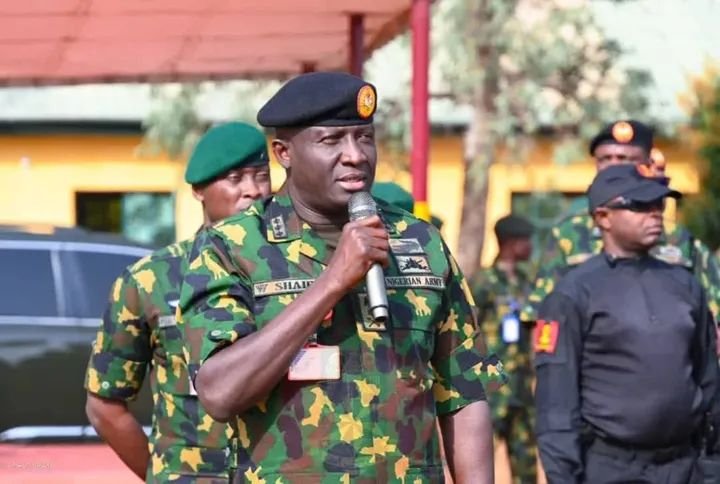
The Nigerian Army has begun an investigation into the leakage of a classified Department of State Services (DSS) intelligence report warning of planned attacks by Boko Haram terrorists and bandits in parts of Adamawa and Borno states.
Senior officers at the 232 Battalion in Yola, Adamawa State, have launched an internal probe to identify the personnel responsible for circulating the confidential security document, which was originally sent by the DSS to alert the military to impending attacks.
According to a security source familiar with the development, the leaked document had already been received and registered by the battalion before it found its way into the public domain.
The source, who spoke on condition of anonymity, said, “If you see the document, it was already punched in the registry of the 232 Battalion.
“It was after that an officer snapped it and sent it out to whoever he or she wanted for reasons best known to the person.”
He bemoaned that the leak had triggered unnecessary panic among residents.
“The sad aspect is that people are now panicking. That was why the DSS quietly alerted the 232 Battalion to be on the alert over the pending attacks, but unfortunately the document was leaked out,” the source added.
Another army officer confirmed that the battalion had launched an investigation into what he described as a sabotage attempt capable of jeopardizing national security.
“There is nothing that can stop us from fishing out those behind the leaked document from the DSS.
“We must fish out the bad eggs among us. Nigeria’s national security cannot be compromised for personal selfish interest,” the officer said.
The leaked intelligence report, dated July 27, 2026, was intended for the commander of the 23rd Armored Brigade at Yola.
The DSS warned in the document that intelligence indicated that suspected Boko Haram insurgents were planning coordinated attacks in Adamawa State’s Michika Local Government Area and Borno State’s Askira Uba Local Government Area following the reported collapse of a ceasefire agreement.
According to the report, the terrorists planned to kidnap top government officials, councilors, district heads, religious leaders, and citizens from impacted communities.
It also identified Michika’s district chief and his son as among those reportedly targeted for kidnapping.
The data also revealed that rebels had already deployed surveillance teams to monitor activities in the impacted areas prior to the planned attacks.
In response to the danger, the DSS advised the Nigerian Army to work with forest guards and local hunters to improve security in vulnerable villages and halt the planned operations.