



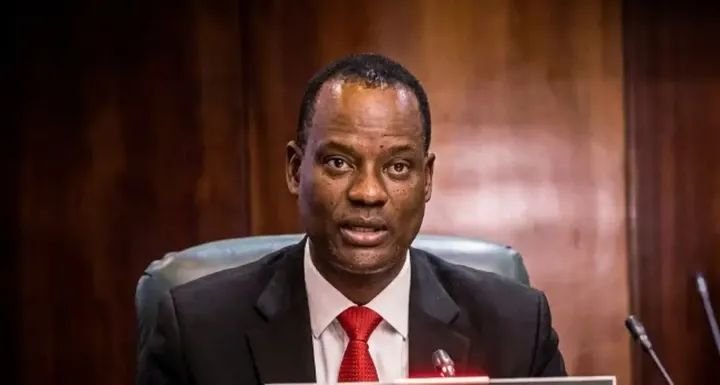
Nigeria is paying a heavy economic price for negative perceptions, misinformation and damaging narratives that are discouraging investors and driving skilled professionals abroad, Finance Minister Taiwo Oyedele has warned.
Oyedele said negative portrayals of the country were undermining investor confidence, constraining businesses, increasing the cost of capital and weakening Nigeria’s economic prospects.
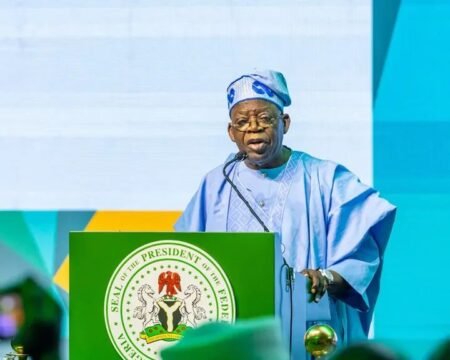
The Minister of Finance and Coordinating Minister of the Economy spoke on Tuesday at the 2026 World Public Relations Forum (WPRF) in Abuja.
He identified public trust as a critical factor in attracting investment, sustaining businesses and securing citizens’ support for government policies.
According to him, confidence in government institutions influences whether investors commit capital, businesses expand and citizens support economic reforms.
“Trust is the one currency that sits beneath all the other currencies,” he said.
“When trust is strong, citizens cooperate, capital flows, businesses invest, and reforms get a fair hearing. When trust is weak, even sound policies meet suspicion, and every explanation sounds like an excuse.”
Negative perceptions hurting investment
Oyedele expressed concern that narratives describing Nigeria as a failed country were influencing investment decisions and weakening confidence in its economic future.
He cited expressions such as “Nigeria is finished”, “Nigeria is a scam” and “Nigeria happened to me” as examples of perceptions that could damage the country’s reputation.
He explained that investors who consider Nigeria a high-risk destination often demand higher returns to compensate for perceived risks.
Businesses, he added, could postpone expansion plans, while skilled Nigerians might seek better opportunities in other countries.
The minister stressed that the consequences extended beyond reputational damage, affecting investment opportunities, business growth and the country’s ability to retain valuable human capital.
Oyedele defends right to criticise government
Despite his concerns about negative narratives, Oyedele acknowledged that Nigerians had the right to criticise the government, expose failures and demand accountability.
He maintained that responsible communication should not be mistaken for an attempt to suppress criticism.
According to him, Nigeria’s national narrative must reflect both its challenges and achievements.
He also warned that government institutions and businesses should not use publicity to conceal poor performance or substitute communication for effective service delivery.
AI and social media worsening misinformation
Oyedele identified social media as a major channel through which misinformation spreads, noting that sensational and divisive content often attracts more attention than factual explanations and corrections.
He warned that artificial intelligence was making the problem more difficult to contain, as fabricated images, voices and documents could be produced and circulated with increasing sophistication.
The minister urged public relations and communication professionals to participate in policy formulation from the beginning rather than being brought in only when government institutions or businesses faced communication crises.
He said communication experts should help policymakers understand public concerns, explain decisions transparently and build confidence through consistent engagement.
Minister urges media to verify information
Oyedele also challenged media organisations, social media influencers and other information gatekeepers to strengthen their commitment to responsible information dissemination.
He urged journalists and other communicators to verify information before publishing and correct errors with the same visibility given to the original reports.
“Verify before you amplify. Correct as loudly as you reported when you make mistakes. Hold good news and bad news to the same standard of proof,” he said.
He further called on government institutions and businesses to make policy and economic information accessible, respond to public complaints and measure communication effectiveness by whether people understood the information and could see corresponding results.
Oyedele maintained that the credibility of Nigeria’s national and corporate narratives ultimately depended on citizens’ lived experiences rather than the volume of publicity deployed to promote them.