



Rising energy and fertiliser costs are pushing up food prices worldwide, threatening smallholder farmers and raising fears of a global food crisis, the United Nations’ International Fund for Agricultural Development (IFAD) has warned.
Global agricultural prices rose by 13 per cent in the third quarter of 2026, according to IFAD, which warned that a global food crisis was looming as higher production and transport costs put pressure on food supplies.
The surge in energy prices, driven by conflict in the Middle East, has increased the cost of fuel and fertilisers, making farming more expensive and threatening food affordability, particularly in developing countries.
IFAD President Alvaro Lario raised the alarm in an interview with AFP on Tuesday, warning that food prices and food-related inflation could continue rising over the next six to nine months.
“Over the next six to nine months, we will see continued increases related to food prices, but also I would say even inflation in terms of food, which will impact most of the populations that actually can afford it less,” Lario told AFP.
Rising Food Prices Threaten Household Budgets
Lario said nearly one in three people worldwide could not afford a healthy diet, warning that higher prices for nutritious foods were worsening the situation.
“So I think the costs of a healthy diet, which means an increased cost on legumes, on vegetables, on meat, is just having a big impact on what people can afford to consume,” he said.
According to United Nations figures, around 260 million people worldwide face food insecurity.
The impact is particularly severe in developing countries, where food accounts for a significant share of household spending. Rising prices therefore leave families with less money for other essential needs.
Speaking on the sidelines of the International Monetary Fund and World Bank meetings in Bangkok, Thailand, Lario highlighted the growing pressure on vulnerable communities.
Smallholder Farmers Bear the Brunt
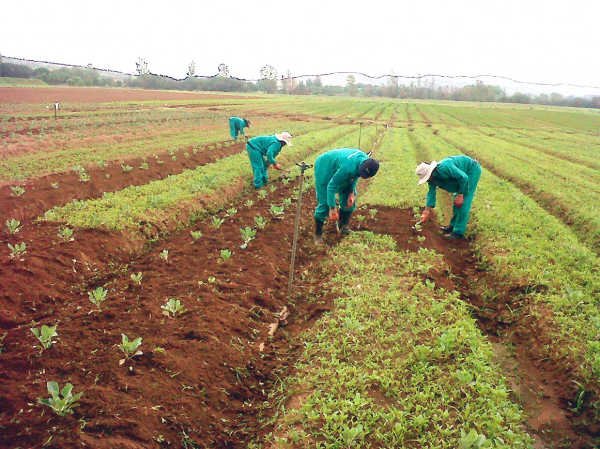
Smallholder farmers are among those most exposed to the energy price shock, according to IFAD.
The organisation said these farmers account for about one-third of global food production and as much as 70 per cent in many developing countries.
Higher fertiliser prices are particularly damaging because they increase production costs and can limit farmers’ ability to maintain crop yields.
Lario said governments could provide short-term relief through subsidies for fertilisers and fuel, although he acknowledged that their immediate options were limited.
“In the very short term, there is very little that governments can do. They can subsidise, for example, the price of fertiliser input… or fuel through subsidies,” he said.
Meanwhile, G7 nations pledged on Thursday to mobilise $2.5 billion to support countries at risk of food insecurity, with particular attention to fertiliser supplies.
IFAD Calls for Long-Term Food Security Measures
Beyond immediate relief, Lario urged governments to strengthen agricultural resilience to prepare for future economic and environmental shocks.
“The important lesson is that these shocks will continue over time. So the most important lesson is that actually we should be building the resilience for the next three to five years,” he said.
He called for greater diversification of crops and agricultural value chains, arguing that food security had become a national security concern in many countries.
“You need to diversify the type of value chains and crops that you are currently self-sufficient, and food security becomes now, in many countries, a matter of national security,” he added.
Climate Change Adds to Farmers’ Challenges
Lario also highlighted the impact of climate change on small-scale farmers, who receive less than one per cent of allocated global climate finance, according to his remarks.
He said soil health and access to water were fundamental to agricultural production but were increasingly affected by changing climate conditions.
“It’s very clear that farming… starts with soil health, and it starts with availability of water, and both are very much affected by climate change. What we need to really do is to try to attract investments… in climate adaptation,” he said.
IFAD’s warning highlights the need for immediate support for vulnerable households and farmers, alongside sustained investment in climate adaptation, agricultural productivity and resilient food systems.