




Security tensions have escalated across Nigeria’s South-West following a violent attack and abductions in Oyo State, where armed assailants struck communities in Oriire Local Government Area, leaving several people dead and others kidnapped.
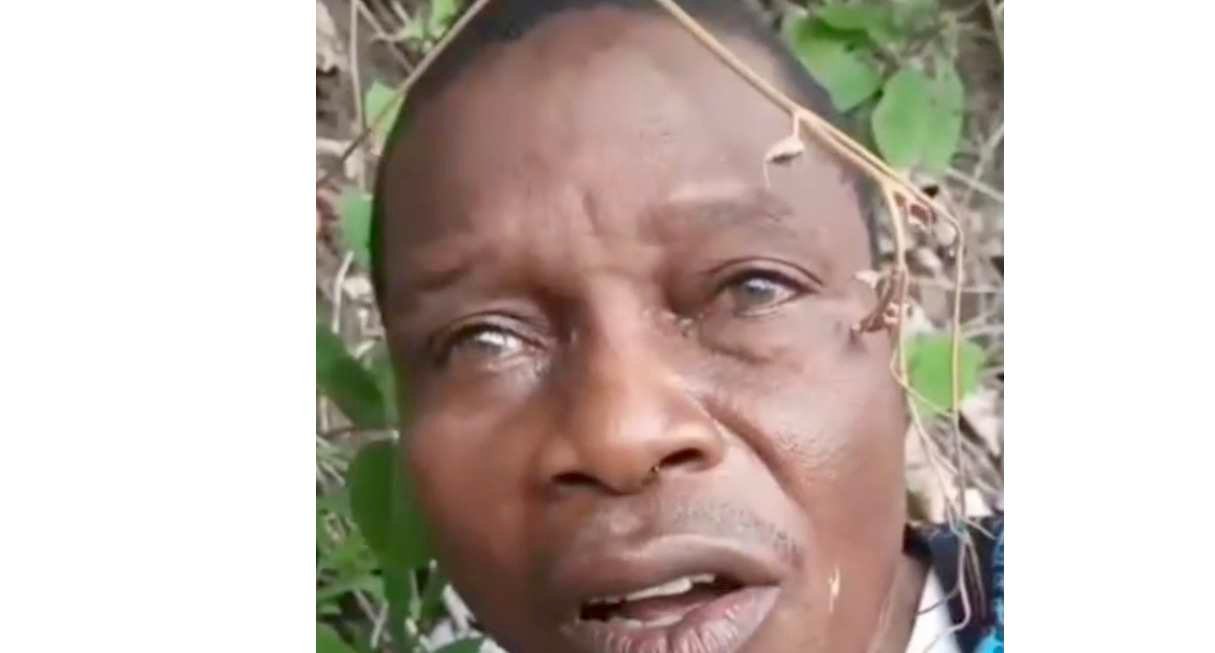
The incident involved an assault on school and surrounding communities in Ahoro-Esinle, where pupils, teachers and residents were taken during the raid. One of the abducted teachers was later confirmed killed after a video linked to the attack circulated online.
The violence has triggered renewed debate over the country’s security structure, with pressure mounting on federal authorities and South-West leaders to adopt stronger measures to address rising rural insecurity.
Local groups, including factions of the Oodua People’s Congress, have called for greater empowerment of regional security arrangements, arguing that existing systems are struggling to contain armed groups operating in forested areas.
Traditional hunters in Oyo State also stated that they possess local knowledge of the terrain and could assist in tracking armed groups if formally engaged by authorities. They, however, stressed that they had not been officially involved in current operations.
Community leaders and traditional rulers in parts of Ogbomosoland have urged the federal government to establish a military presence closer to affected forest zones, warning that insecurity is increasingly restricting farming and movement.
Meanwhile, security authorities have maintained that recent incidents in the South-West do not indicate the existence of permanent militant bases, describing the situation as isolated criminal activity. They added that ongoing search-and-rescue operations are continuing across affected forest areas.
The Defence Headquarters (DHQ) has assured residents that military operations are ongoing in collaboration with other agencies, including intelligence-led efforts aimed at rescuing abducted victims and restoring stability.
Public figures and civil society organisations, including religious groups, labour unions and political leaders, have also condemned the attack, urging urgent reforms and improved coordination between federal and state security agencies.
The situation has intensified ongoing discussions around security reform, particularly calls for decentralised policing and improved local response capacity across Nigeria’s regions.