



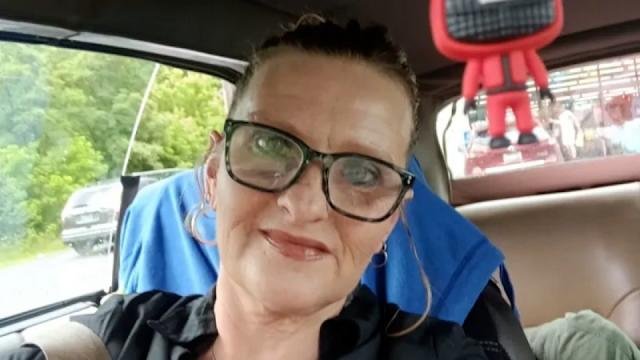
A 50-year-old grandmother from Tennessee spent more than five months behind bars after an AI facial recognition system wrongly linked her to bank fraud cases over 1,000 miles away in North Dakota.
Angela Lipps was arrested on July 14 after authorities in Fargo issued a warrant accusing her of multiple fraud-related offences. At the time, she says she had never even visited the state.
The case centres on the use of facial recognition technology by the West Fargo Police Department, which relied on software from Clearview AI. The system flagged Lipps as a “potential suspect” based on similarities with an image from a fake ID used in a fraud case.
That identification was passed to the Fargo Police Department, which moved forward with the case.
Months in jail over mistaken identity
Lipps was jailed in Tennessee for more than three months before being extradited to North Dakota, where she faced serious felony charges, including identity theft and unauthorised use of personal data.
“I was terrified and exhausted and humiliated,” she later said, describing her first-ever flight – taken in custody.
It was not until December that her defence team produced bank records proving she had been in Tennessee when the crimes occurred. Prosecutors then dropped the charges, and Lipps was released on Christmas Eve.
Police admit ‘errors’ but no apology
Fargo police later acknowledged flaws in the investigation, with Police Chief Dave Zibolski admitting the department relied on external AI-generated leads that should not have been used.
He revealed that the facial recognition system had been adopted by a neighbouring agency without senior approval and has now been banned from use in such investigations.
However, authorities stopped short of issuing a formal apology.
Growing concerns over AI policing
Lipps’ case adds to mounting criticism of facial recognition tools, particularly systems like Clearview AI that draw from billions of online images.
Civil rights advocates have warned that such tools can produce false matches, especially when used without strong human verification.
Her lawyers say the ordeal caused severe emotional and reputational harm and are now exploring potential legal action.
“We believe this lengthy detention was unnecessary and should have been avoided,” her legal team said.
Lipps, a mother of three and grandmother of five, says she has no intention of ever returning to North Dakota.