


Nigerians can now legally record police officers during stop-and-search operations, following a landmark court ruling that reinforces citizens’ rights and police accountability.
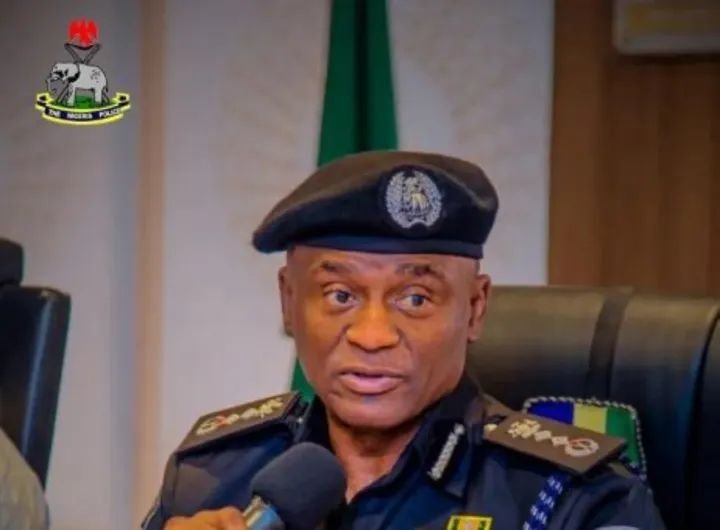
A high court in Nigeria delivered the judgment, affirming that members of the public are entitled to film or document interactions with law enforcement officers, provided they do not obstruct official duties.
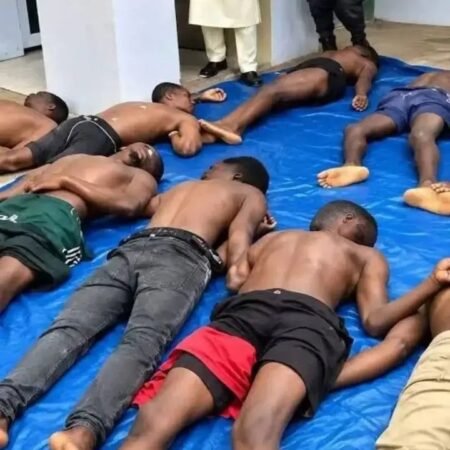
The ruling comes amid growing concerns over misconduct during stop-and-search operations, a policing method frequently criticised for abuse and harassment. Civil society groups have long argued that allowing citizens to record such encounters would help curb excesses and promote transparency.
In its decision, the court clarified that recording police officers in public spaces does not violate any law. Instead, it aligns with constitutional rights, including freedom of expression and access to information.
The judge emphasised that citizens must still cooperate with officers and avoid interfering with investigations. However, the mere act of recording cannot be used as grounds for intimidation, arrest, or seizure of devices.
Legal experts say the judgment sets a strong precedent for policing standards in Nigeria. It is expected to empower citizens, encourage responsible policing, and reduce incidents of abuse during routine checks.
Human rights advocates have welcomed the decision, describing it as a victory for accountability and civil liberties. They also urged the authorities to sensitise police officers nationwide to ensure compliance with the ruling.
The decision could reshape how stop-and-search operations are conducted across the country, placing greater emphasis on professionalism, transparency, and respect for citizens’ rights.