


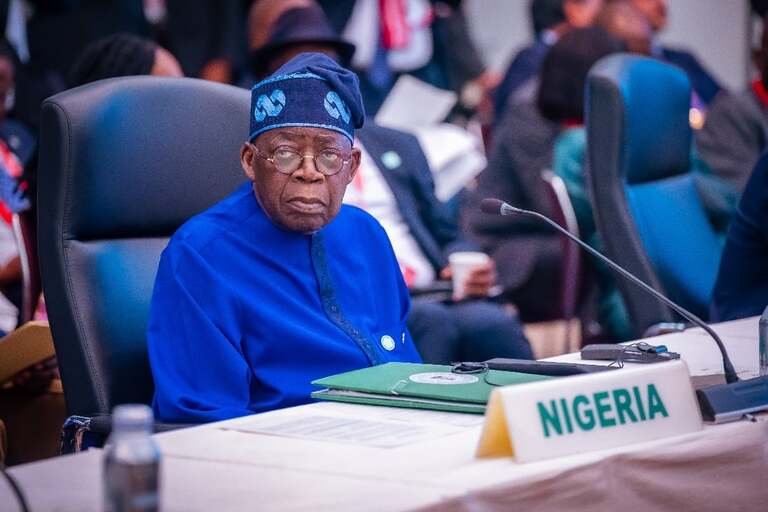
Socio-Economic Rights and Accountability Project, SERAP, has called on President Bola Tinubu to order an immediate probe into allegations that over N128 billion in public funds is missing or diverted from the Ministry of Power and the Nigerian Bulk Electricity Trading Plc, NBET.
The allegations are contained in the latest annual report of the Auditor General of the Federation, published on 9 September 2025. SERAP wants the Attorney General of the Federation and Minister of Justice, Lateef Fagbemi SAN, alongside relevant anti-corruption agencies, to investigate the claims and prosecute anyone found culpable.
In a letter dated 3 January 2026 and signed by SERAP deputy director Kolawole Oluwadare, the organisation said Nigerians continue to bear the cost of entrenched corruption in the power sector, stressing that there is a strong public interest in accountability.
SERAP urged the president to ensure that any recovered funds are paid back into the treasury and deployed to address the 2026 budget deficit and ease Nigeria’s mounting debt burden. According to the group, tackling corruption in the power sector would help reduce persistent transmission failures and improve access to stable electricity nationwide.
The Auditor General’s report raised red flags over multiple transactions at the Ministry of Power, including over N4.4 billion transferred to project accounts without evidence of expenditure, more than N95 billion allegedly paid to contractors for projects with no proof of execution, and several unapproved payments for foreign travel and advances to staff beyond statutory limits.
Similar concerns were raised about NBET, including irregular contract awards, undocumented payments running into billions of naira, extra-budgetary spending without approval, and consultancy fees paid without evidence of services rendered. In many cases, the Auditor General warned that the funds may have been diverted, misapplied, or used for work not done.
SERAP said the allegations point to serious breaches of the Nigerian Constitution, existing anti-corruption laws, and Nigeria’s international obligations, including the UN Convention against Corruption. The group gave the federal government seven days to act, warning that it would pursue legal action if no response is received.