


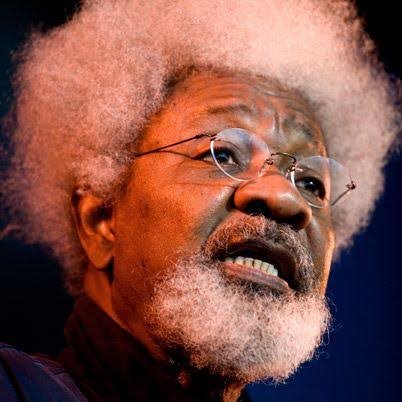
Nobel laureate Wole Soyinka has berated US President Donald Trump’s threat to deploy military forces to Nigeria, describing the comments as showing a lack of understanding of the country’s complex security challenges.
Soyinka made the remarks on Friday after meeting with Benue State Governor Hyacinth Alia in Makurdi.
The Nobel laureate emphasized that no foreign leader can simply intervene in Nigeria’s security concerns without first grasping the nuances involved.
He chastised Trump for claiming he would “come to help” the country without conducting a thorough investigation of the situation.
“You don’t just open your mouth and say, ‘I’m coming to help you whether you like it or not… and I’m coming with violence from outside with poor, almost non-existent analysis of the complexities of where the problem is,’” Soyinka said.
He also stated that such declarations, particularly those promising swift and forceful action, were deeply problematic.
“And you say, ‘I’m coming to help you; I’m coming with guns a-blazing.’ And when we come in, ‘it’s going to be fast, vicious, and swift,’ Soyinka said.
The Nobel laureate earlier stated that Nigeria’s continuing security difficulties are the result of violent extremists using faith for political and commercial advantage.
Soyinka also emphasized that, while governments must protect citizens, victims of atrocities deserve dignity.
“Is that the language of somebody whose head is correct? Any government has an obligation to ensure the welfare of its citizens. But, at least, have some respect for victims and those trying to find solutions to the unacceptable situation,” he said.
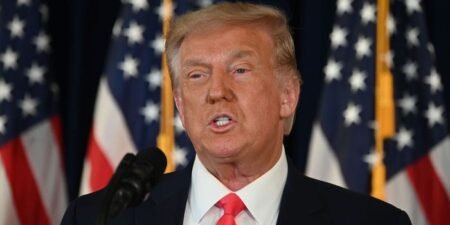
On October 31, Trump declared Nigeria a “Country of Particular Concern” for alleged Christian killings and threatened to send U.S. forces.
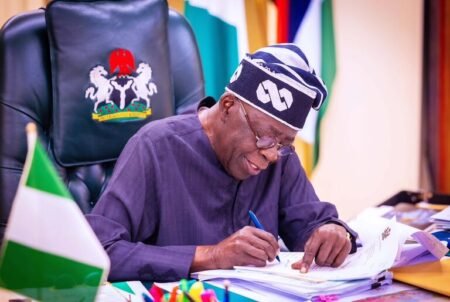
President Bola Tinubu dismissed the claim, saying it “does not reflect our national reality.”
On Thursday, lawmakers, religious leaders, US Department officials, and witnesses expressed divided views during an open hearing by the US House Foreign Affairs Subcommittee on Africa.