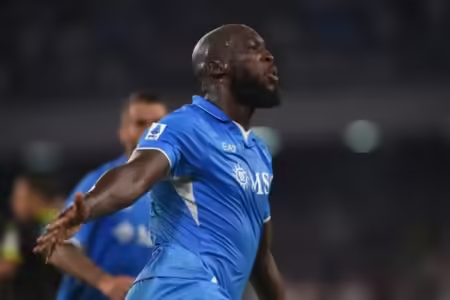




African football culture has entered a new phase where fans aren’t just cheering from the sidelines—they’re breaking down tactics, scrutinizing formations, and challenging managers’ decisions like seasoned analysts.
This shift didn’t happen overnight. It’s the result of deeper access to global football conversations, technology bringing match data and insights to everyone’s pocket, and social dynamics that reward sharp takes over blind loyalty.
In this article, I’ll show how African fans became true students of the game. We’ll look at what sparked this transformation, who’s driving it, and what it means for football across the continent.
Get ready to see how expertise has changed everything for supporters, clubs, and the wider community.
The evolution of football fandom in Africa
African football fans have always brought unmatched passion to the terraces and viewing centers, but the last decade has seen a quiet revolution.
Where once the roar of a vuvuzela or debate over who scored the best goal defined matchday, fans now pick apart tactics and player roles with striking precision.
Several moments shaped this change. The 2010 FIFA World Cup in South Africa wasn’t just about continental pride—it triggered a surge in tactical content across radio, TV, and blogs. Suddenly, match analysis shows weren’t reserved for European leagues; African games got their share of expert discussion too.
As smartphones became common and internet access improved, fans moved from casual debates to deep dives into formations and statistics. They’re not shy about calling out questionable substitutions or highlighting pressing patterns that echo Klopp or Guardiola’s style. In Lagos or Nairobi, you’ll hear conversations that wouldn’t sound out of place on international podcasts.
This shift didn’t happen in isolation. The growth of sports betting sites nudged fans toward a sharper understanding—suddenly, knowing which winger tracks back could mean predicting a match’s outcome.
Tactical literacy is now woven into fan culture across Africa. It’s not just about supporting a club but understanding the why behind every pass, press, or defensive line. The days of passive viewing are long gone; today’s African football fan approaches the game like an analyst with skin in the game.
The digital revolution: how technology changed the game
It’s no exaggeration to say that technology has completely reshaped African football fandom over the past decade.
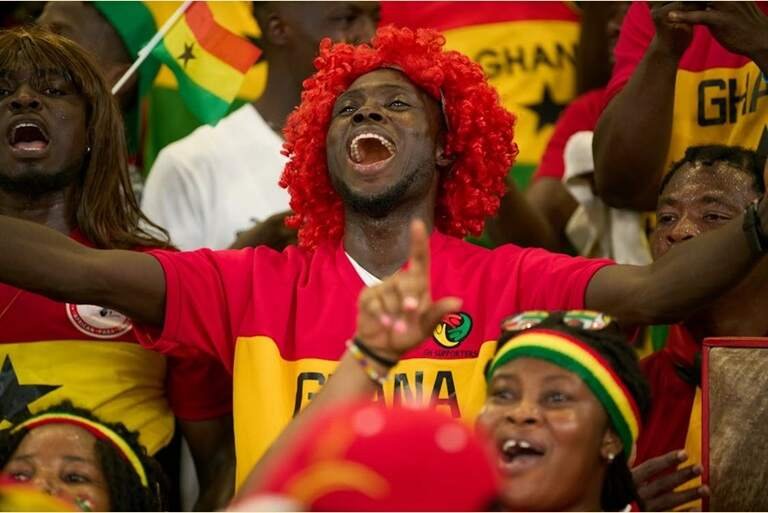
Where radio commentary and newspaper highlights once set the agenda, today’s fans have a universe of information in their pocket.
Social media platforms and mobile apps now deliver instant tactical stats, match analysis, and highlight reels from every major league worldwide.
This access has broken down old barriers, letting fans join global conversations about tactics and coaching methods that used to be reserved for insiders.
Many fans aren’t just watching games—they’re studying formations, player movement, and in-game adjustments as if they were on the touchline themselves.
The result is a new generation of armchair analysts who approach every game with the mindset of a professional scout or coach.
Social media and the rise of fan punditry
Platforms like Twitter, Facebook, and WhatsApp have become digital stadiums where African fans trade sharp tactical opinions in real time.
I’ve seen fans break down defensive shapes or share player heat maps before TV pundits even react. A heated WhatsApp debate after a CAF Champions League match can feel more insightful than any post-match show on television.
These online spaces have made it possible for anyone—from Nairobi to Accra—to earn respect as a tactical thinker by sharing detailed threads or short videos dissecting key moments.
The sense of community is real. Dedicated groups spring up around clubs, leagues, or even specific managers’ styles, turning casual supporters into amateur analysts with loyal followings.
This democratization means you don’t need studio credentials to shape opinion—just sharp insights and a willingness to engage in honest debate with fellow fans across the continent.
Live streaming and instant access to global leagues
The arrival of affordable live streaming services and satellite TV has opened doors that older generations could only dream about.
African fans can now watch Premier League clashes or La Liga derbies live—no waiting for next-day highlights or relying on patchy radio feeds. In Lagos or Kigali, it’s common for friends to stream matches together on phones during lunch breaks or late at night at local viewing centers.
This exposure lets fans compare tactics across leagues and cultures. Watching top European coaches adjust their systems week by week teaches more than any textbook ever could.
With instant replay at their fingertips, supporters can rewatch controversial calls or study how teams adapt under pressure—turning every match into a masterclass in modern football thinking.
From the stands to the studio: the rise of local experts
In recent years, African football fans have become more than just spectators. They’ve emerged as influential voices shaping how the game is discussed and understood.
Radio stations now feature phone-in segments where fans debate tactics and dissect player performances with authority. On TV, former die-hard supporters are sitting alongside professional analysts, bringing street-level insight into mainstream coverage.
This shift isn’t limited to traditional media. Digital platforms are bursting with fan-driven analysis, offering perspectives that resonate with local audiences. The journey from shouting in stadiums to breaking down matches in studios has redefined what it means to be a football expert in Africa.
The result is a richer, more diverse conversation about football—one powered by people who live and breathe the game every day.
Fan-led podcasts and YouTube channels
The last five years have seen an explosion of football podcasts and YouTube shows hosted by African fans. These grassroots platforms give local voices a stage far beyond what traditional outlets ever offered.
You’ll find lively debates after every big match, tactical breakdowns delivered in Nigerian Pidgin or Swahili, and interviews with community coaches or emerging talent. Many of these creators started recording in their living rooms or neighborhood cafés; now some boast thousands of subscribers and sponsor deals.
What sets these shows apart is their authenticity. Hosts speak directly to issues fans care about—from why a coach stuck with a certain formation to how club finances affect squad depth. Their approach invites passionate disagreement but also builds real trust within their communities.
As someone who’s tuned into “The Final Whistle Lagos” on my commute, I can say these channels often catch nuances global networks miss—especially when it comes to cultural context or behind-the-scenes club politics.
Bridging the gap: fans as media contributors
Mainstream media across Africa have taken notice of this surge in grassroots expertise. In Ghana, South Africa, and Kenya, it’s now common for TV panels or radio roundtables to include “superfans” known for their sharp online analysis.
This trend has blurred the boundary between audience and expert. Media houses regularly scout for articulate voices on social media—inviting them onto shows as guest analysts or even giving them recurring slots.
The benefit? Coverage becomes more representative and relatable. Fans bring lived experience: they can explain why a derby loss stings differently in Accra compared to Casablanca or how youth tournaments shape future stars on dusty local pitches.
This new wave of contributors hasn’t just enriched football coverage—it’s inspired others to see themselves not just as consumers but as vital storytellers helping define the sport’s identity across the continent.
The impact: how expert fans are shaping African football
Expert-level football fandom is changing the face of the game across Africa.
Fans who once only cheered from the sidelines are now influencing decisions at every level, from boardrooms to training grounds.
This new wave of knowledgeable supporters is pushing clubs and federations to become more transparent and strategic in their planning.
As a result, clubs are feeling real pressure to explain their choices, whether that’s a tactical switch or a transfer decision.
The influence goes beyond management—players and coaches know they’re being watched by an audience that understands formations, data, and performance metrics.
This expertise is also raising standards for grassroots programs and inspiring new conversations about youth development and club identity.
Influencing club strategies and player perceptions
African fans armed with tactical know-how are no longer satisfied with vague statements from club officials or basic match analysis from pundits.
I’ve seen entire fan forums dissect transfer rumors with financial breakdowns or debate coaching decisions using real match data—this isn’t just idle talk; it’s pushing clubs to provide more information and adopt clearer strategies.
Teams like Al Ahly or Mamelodi Sundowns now face supporters who expect transparency about signings, playing style, and player development plans.
Players themselves can’t hide behind reputation alone; sharp-eyed fans judge them on their contribution to team shape or pressing systems, not just goals scored or flashy skills.
This scrutiny has nudged coaches to explain tactics during press conferences—something almost unheard of a decade ago.
Driving grassroots and youth development
The ripple effect of this expert fandom is clear at the grassroots level.
Youth coaches are responding to parents and young players who already know about pressing triggers or positional play thanks to accessible online analysis.
I’ve witnessed training sessions in Lagos where ten-year-olds discuss counter-attacking schemes after watching European matches live on mobile devices.
This tactical literacy among fans has set new expectations—grassroots teams can’t get away with old-school drills alone; they’re challenged to teach modern concepts that reflect what kids see on global broadcasts.
The bar is higher for talent identification too, as communities look for players with both skill and game intelligence—not just raw athleticism.
Looking ahead: how expert African fans are rewriting football’s future
African football fans are no longer just faces in the crowd. They’ve become sharp analysts and respected voices whose insights matter far beyond social media threads or halftime debates.
This shift isn’t just talk. Clubs are listening, media is evolving, and young players now look to fan-led discussions for inspiration and tactical ideas.
As this informed community grows, it’s helping drive higher standards across every level of the sport. The next generation of African pundits, coaches, and players will be shaped by these passionate fans who read the game with clarity and confidence.