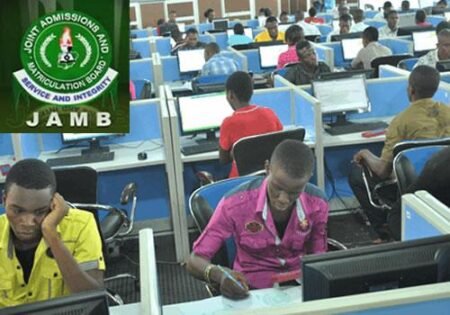





Nigeria’s secondary education system faces a growing credibility crisis as the widespread use of so-called “special centres” for the West African Examinations Council (WAEC) examinations continues to erode learning outcomes and academic integrity.
Originally created as alternative examination venues, these centres have increasingly become hotspots for organised malpractice. Students are often registered outside their schools, supervised loosely, and in some cases openly assisted during exams. The result is a parallel system where success is frequently bought rather than earned.
This trend is producing a troubling reality: many students cannot defend the certificates they hold. Some candidates reportedly do not even participate in the exams, while others rely on external assistance to pass. Despite this, they progress to universities, where they struggle academically or continue similar practices.
The issue is not limited to students alone. Teachers, often working under difficult conditions, are routinely blamed for poor outcomes. Yet, the deeper problem includes parental complicity, systemic failures, and a culture that rewards shortcuts over hard work.
Statistics highlight the urgency. Over the past decade, WAEC pass rates measured by candidates obtaining five credits including English and Mathematics have fluctuated significantly. While results improved from about 31 percent in 2014 to over 70 percent in recent years, many education experts question whether this reflects genuine progress or inflated outcomes driven by malpractice.
Special centres distort national performance data by diverting weaker students away from their schools into environments focused solely on passing exams. This creates a misleading impression of improvement without corresponding competence.
A critical reform is needed. The government should ban special centres and require all students to sit for WAEC in the schools where they were taught. This would restore accountability and ensure that performance reflects actual learning.
Under such a system, students who fail would receive structured academic support and be allowed to retake exams within the same school. This approach promotes continuity, reinforces teacher-student relationships, and encourages genuine improvement rather than shortcuts.
While concerns about student mobility exist, these can be addressed through regulated transfers approved by district education authorities. This ensures flexibility without compromising standards.
Beyond examination reform, Nigeria must address structural challenges in education funding and infrastructure. The UNESCO recommends allocating 15–20 percent of national budgets to education, yet Nigeria consistently falls below this benchmark. The consequences include overcrowded classrooms, inadequate resources, and low teacher morale.
These conditions create fertile ground for malpractice. When teaching quality declines and pressure to succeed increases, both students and parents are more likely to seek alternative and often unethical means of passing.
The long-term impact is severe. Universities and employers increasingly report that graduates lack essential skills such as critical thinking, communication, and problem-solving. This gap between certification and competence undermines national development.
Banning special centres would send a strong signal that integrity matters. However, it must be complemented by broader reforms, including improved teacher training, better infrastructure, stricter exam monitoring, and the use of technology such as biometric verification and digital surveillance.
Ultimately, education should prepare young people for real-world challenges, not just examinations. Restoring integrity to the system is essential to rebuilding trust and ensuring that certificates truly reflect knowledge and ability.