



President Bola Tinubu and Federal Capital Territory (FCT) Minister Nyesom Wike are facing mounting criticism after Abuja’s 50th anniversary passed with little or no official celebration, triggering outrage among residents and indigenous communities.
February 3, 2026, marked 50 years since Abuja was proclaimed Nigeria’s capital. While seven states created on the same day rolled out lavish golden jubilee celebrations, the nation’s capital was met with silence — a move critics have described as insulting, careless and historically damaging.
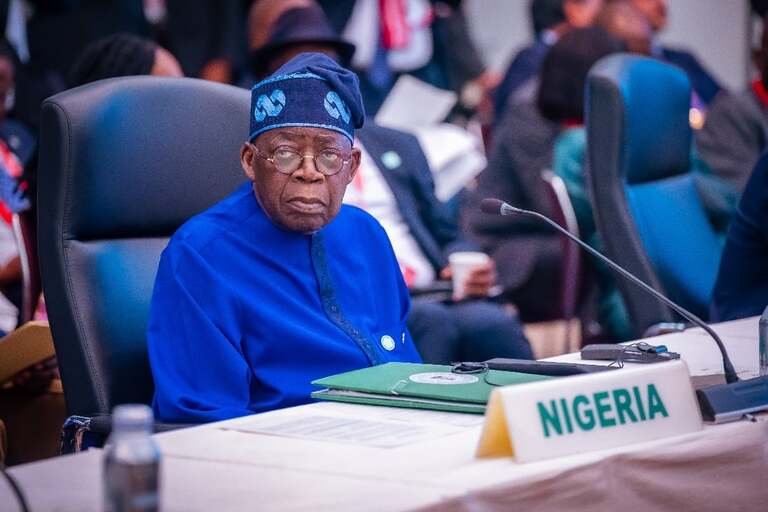
Under Nigeria’s constitution, President Tinubu is effectively the governor of Abuja, with executive authority delegated to the FCT Minister. Many argue that responsibility for the glaring omission rests squarely with both men.
Indigenous communities feel ignored
The absence of a formal celebration angered Abuja’s indigenous peoples, who say the neglect reflects deeper issues of marginalisation, unpaid compensation for ancestral lands and exclusion from governance.
For them, the failure to honour Abuja’s golden jubilee symbolises decades of broken promises and official indifference to the original inhabitants of the territory.
Wike’s explanation raises eyebrows
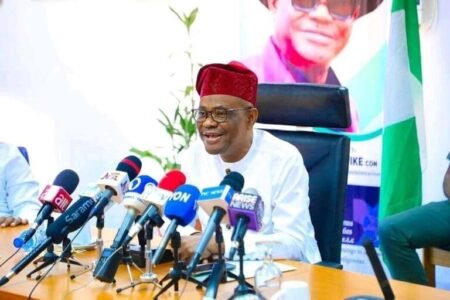
Minister Wike, 58, later attributed the lack of celebration to preparations for President Tinubu’s third anniversary in office, announcing that Abuja’s 50th anniversary would instead be merged with the president’s milestone in three months’ time.
According to the minister, the FCT administration plans to unveil a golden jubilee compendium and highlight infrastructure projects during the president’s anniversary celebrations.
Critics, however, have dismissed the explanation as a belated alibi, arguing that Abuja’s historic milestone should not be subordinated to political anniversaries.
Claims of “unprecedented” achievements disputed
Wike has repeatedly credited Tinubu for unlocking FCT development by removing the territory from the Treasury Single Account (TSA), enabling access to commercial funding for infrastructure projects.
He also praised the administration for improving career progression within the FCT civil service, saying such milestones had never been achieved under previous governments.
Supporting this narrative, Acting FCDA Executive Secretary Richard Dauda described recent infrastructural progress as “unprecedented” in the FCT’s 50-year history.
But critics strongly dispute these claims, pointing out that Abuja’s core infrastructure — roads, hospitals, schools, government buildings and housing estates — was largely completed long before Wike assumed office in August 2023.
A capital built over decades
From Garki, Wuse, Maitama and Asokoro to Gwarimpa and the Presidential Villa, Abuja’s foundations were laid by successive administrations over nearly five decades.
Landmark projects such as the National Assembly complex, Supreme Court, Defence Headquarters, Central Bank headquarters, major hospitals, federal secretariats and universities predate the current administration.
While Wike is widely acknowledged for completing inherited road projects, analysts argue that portraying recent developments as eclipsing 47 years of nation-building distorts historical facts.
Call for apology and reflection
Observers say the failure to celebrate Abuja at 50 risks erasing national memory and diminishing one of Nigeria’s most significant post-independence achievements — the creation of a purpose-built federal capital.
They insist Tinubu should formally apologise to Nigerians for the oversight and ensure that any belated celebration properly honours the visionaries, leaders and workers who built Abuja over five decades.
As critics warn, Abuja is more than just another territory — it is the symbolic heart of the federation. Its story, they say, deserves respect, accuracy and remembrance.