

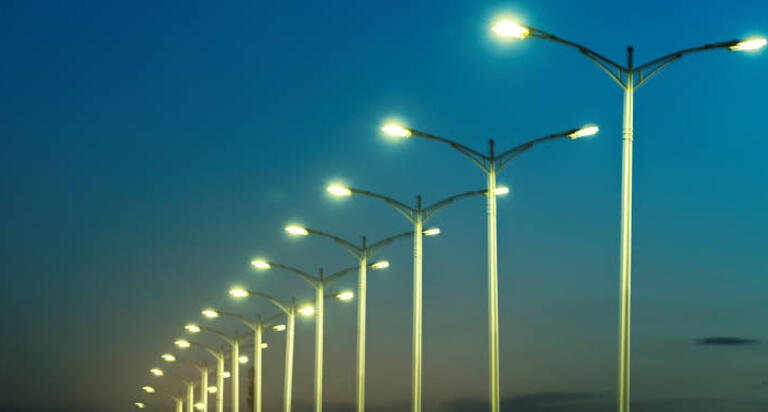
Sri Lanka has ordered local authorities to switch off street lights during non-essential hours as the country battles a worsening energy shortage linked to tensions in the Middle East.
The directive was issued by the office of the commissioner-general of essential services on Tuesday, outlining strict measures to cut electricity and fuel consumption across government institutions.
Under the new guidelines, public offices must maximise natural lighting, reduce air conditioning use by relying more on electric fans, and limit elevator usage by encouraging stair use.
Officials have also been told to avoid commuting alone in private vehicles, urging a shift towards public or shared transport systems to reduce fuel demand.
Street lights are to be turned off after 9pm, except in high-risk areas, while neon signs and billboard lighting must also be switched off to conserve power.
The measures come amid fears of disruptions to global fuel supply, driven by escalating tensions involving Iran and its strategic control of the Strait of Hormuz — a key route through which roughly 20 percent of the world’s crude oil passes.
Authorities warned that risks to shipping in the region have increased due to the ongoing conflict between Iran, Israel and the United States, raising concerns over fuel imports into Sri Lanka.
The government has already raised fuel prices by about one-third since the crisis began last month.
In a further push to ease pressure on the transport network, Sri Lanka recently introduced a four-day work week and is encouraging remote work wherever possible.
Government agencies have also been directed to prepare daily transport plans to minimise the number of vehicles used for official duties.
The commissioner-general urged public officials to lead by example, stressing the need for collective action to safeguard national energy security during the crisis.